Carpet Pattern Craft ‘Embroidery Review
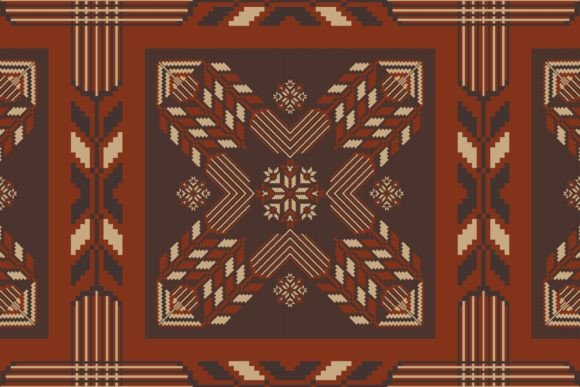
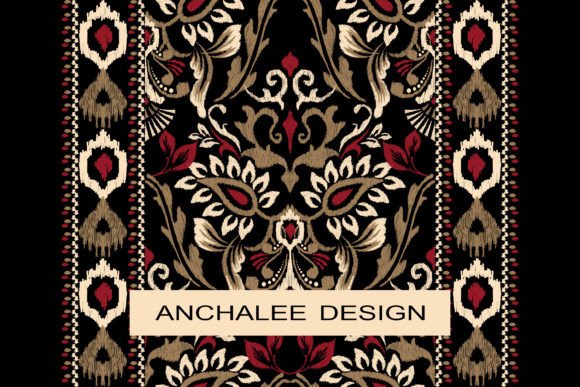
As an embroidery designer who spends weekends hunched over a machine and weekdays optimizing listings for digital markets, I have learned that the difference between a "nice" design and a "bestseller" often comes down to context. You might have a technically perfect file, but if it doesn’t translate well to the physical product sitting on your craft fair table, it won’t sell. Today, I am reviewing Carpet Pattern Craft ‘Embroidery, a design described as an Arabesque Ikat floral pattern on a black background with Aztec and abstract influences. This is not just a pretty picture; it is a strategic asset for any handmade business looking to elevate its booth presence or online shop.
First Impressions: Bold, Ethnic, and Premium
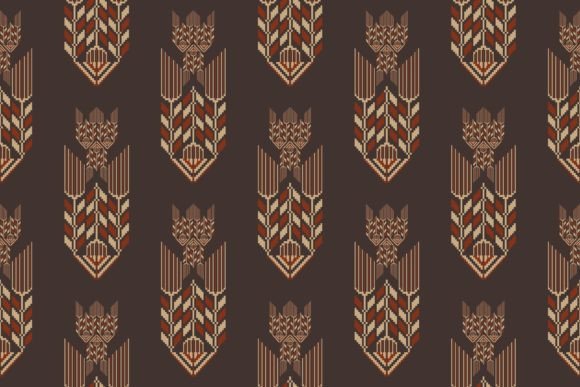
When you first load this machine embroidery design into your software, the immediate takeaway is its visual weight. The description highlights an "Arabesque Ikat floral pattern" mixed with "Aztec style" elements. In the world of handmade goods, this combination screams premium and eclectic. It does not feel like the typical soft, minimal farmhouse aesthetic that saturates every Etsy search result. Instead, it feels bold, decorative, and culturally rich.
The mention of a "black background" in the vector illustration is crucial. For an embroiderer, this suggests high contrast. If you are planning to stitch this onto dark fabrics—like charcoal canvas tote bags or deep navy aprons—the design will pop. However, if you intend to use the white or light threads provided in the digital preview, you must ensure your fabric choice complements the intended color story. This design has a strong personality. It works beautifully for customers who want their accessories to make a statement rather than blend in. It fits perfectly into the "boho-chic" or "modern ethnic" niches that are currently thriving at weekend markets.
Product Application: Where Does It Shine?
Not every embroidery file is suitable for every product. Based on the complexity implied by "Arabesque" and "Ikat," here is how I would deploy Carpet Pattern Craft ‘Embroidery across different categories:
- Tote Bags and Market Bags: This is the highest potential category. A large-scale application on a sturdy canvas bag allows the intricate details of the Aztec and floral patterns to breathe. Customers can see the quality up close, which justifies a higher price point. The design acts as a focal point, turning a basic utility item into a fashion accessory.
- Apron Embroidery: Kitchen wear is a staple at craft fairs. Placing this pattern on the bib or the pocket area adds a touch of elegance to functional items. The ethnic vibe pairs exceptionally well with rustic kitchen decor themes. Ensure the design is scaled correctly so it does not overwhelm the wearer’s torso.
- Tea Towel Embroidery: While cotton tea towels are popular, they are textured. You must be careful with stitch density here. If the pattern includes tiny details, they may get lost in the weave of the towel. Use this design as a border or a central medallion rather than an all-over fill if possible.
- Embroidered Patch: Converting this into a patch is a smart move for versatility. Patches allow customers to apply the aesthetic to jeans, hats, or backpacks themselves. The bold lines of the Aztec style hold up well when cut out and backed with adhesive or sewn-on edges.
- Caps and Headwear: Curved surfaces are challenging. If the design is too dense, it will pucker on the front panel of a cap. I recommend using this only for structured caps with ample stabilizer support, or scaling it down to a small accent size near the brim.
- Pillow Covers and Home Decor: For square pillow inserts, this pattern can serve as a luxurious centerpiece. The "abstract background" element mentioned in the description suggests it has depth, making it ideal for throw pillows that anchor a living room space.
Production Practicality and Booth Strategy
From a production standpoint, efficiency is key. When you are preparing for a busy market day, you cannot afford constant machine errors. The "Ikat" effect often implies a blurred or stepped color transition in digital art, which translates to specific thread work in embroidery. You need to evaluate whether the stitch density allows for clean execution without excessive hooping time.
Photography is another critical factor. This design is visually complex, which means it photographs well under natural light. The contrast against dark backgrounds creates a professional look for your Etsy listings and social media posts. A simple photo of the finished product on a mannequin or a styled flat-lay will highlight the texture and detail, driving clicks and conversions. It looks expensive, which increases perceived value.
For batch production, consider how repeatable the design is. If it is a seamless pattern, you can create a continuous line of embroidered scarves or fabric prints. If it is a single motif, you can arrange multiple units efficiently on larger pieces of fabric to reduce waste. Always confirm the commercial licensing before mass-producing these finished products.
Technical Notes for the Savvy Maker
Before you commit to full production runs, follow these essential steps to ensure quality:
- Test on Scrap Fabric: Never run a new design directly onto your final inventory. Stitch it on scraps of the exact fabric you plan to sell. Check how the fabric texture interacts with the stitches.
- Check Thread Contrast: Since the source is a black background vector, ensure your chosen thread colors provide enough contrast against your actual fabric. Low-contrast threads can make intricate details disappear.
- Inspect Stitch Density: Look closely at the stitch density in dense areas. If the stitches are too close together, the fabric may pucker or the needle may break. Adjust the settings if necessary.
- Confirm Hoop Size: Verify that the hoop size required by the file matches your machine’s capabilities. Large designs may require multi-hoop sequences, which increase production time.
- Use the Right Stabilizer: For heavy fabrics like denim or thick canvas, use a cut-away stabilizer to prevent distortion. For lighter fabrics, a tear-away might suffice, but test it first.
- Create Mockups: Generate at least one real mockup. Seeing the physical result helps you judge the scale and impact better than any digital preview.
- Review Spacing: Ensure there is adequate spacing between elements if the design is complex. Crowded stitches can look messy and feel stiff to the touch.
Final Verdict
Carpet Pattern Craft ‘Embroidery is a versatile and striking addition to any designer’s library. Its blend of Arabesque, Ikat, and Aztec styles offers a unique selling proposition that stands out in a sea of generic patterns. It is particularly effective for tote bag design, home decor, and statement apparel. By paying attention to fabric choice, stitch quality, and proper stabilization, you can turn this digital asset into a high-margin handmade product that captivates customers both online and at your booth. Remember to always verify technical specifications like file format and license terms before launching your collection.