Cute C Letter Embroidery Design, 3 Sizes
As a designer who spends more time staring at stitch charts and fabric swatches than sleeping, I have learned to be skeptical of any digital asset that promises too much. We have all been there: you download a "cute" monogram design, upload it to the machine, and end up with a tangled mess of thread or a letter that looks like a blob from three feet away. That is why when I evaluated the Cute C Letter Embroidery Design, 3 Sizes, I did not just look at the preview image. I looked at how it would behave under the needle, how it would hold up on a finished product, and whether it actually adds value to a handmade item.
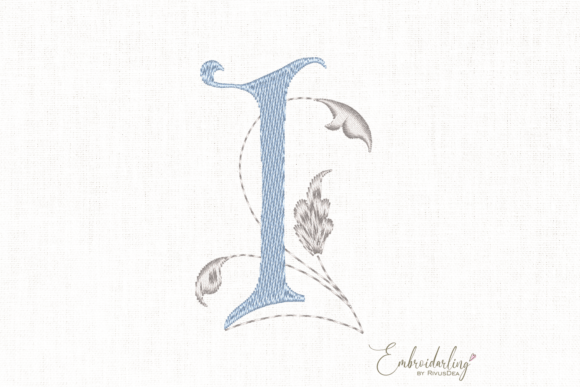
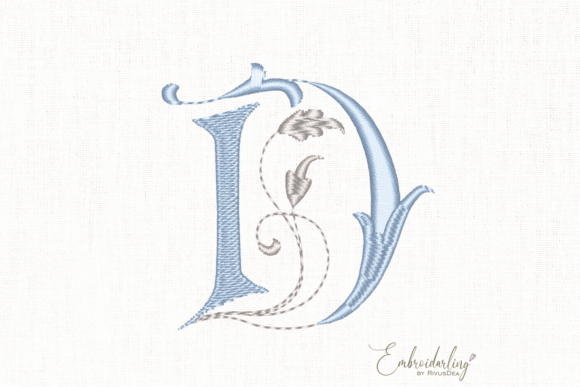
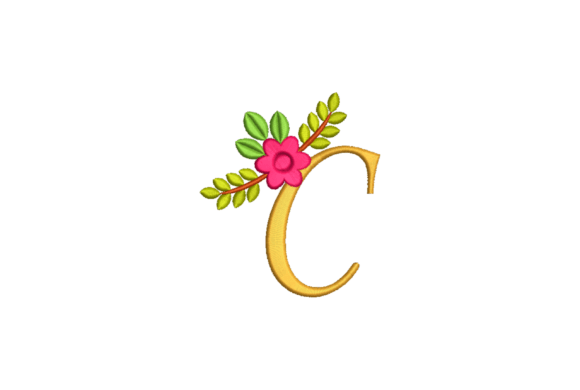
This design falls squarely into the Wedding Monogram category but has enough versatility to stretch far beyond bridal showers. It is a charming and elegant depiction of a monogram letter adorned with delicate flowers. The central focus of the design is a single letter, typically representing the initial of the recipient. For this review, I am looking specifically at the letter "C," though the principles apply to the whole set. My goal here is to give you practical insight before you commit to using this in real embroidery work, client projects, or your own craft business inventory.
First Impressions: Mood and Visual Personality
The immediate draw of the Cute C Letter Embroidery Design, 3 Sizes is its softness. In a market saturated with bold, blocky modern fonts or overly complex vintage scenes, this design offers a breath of fresh air. The mood is romantic, gentle, and timeless. The integration of delicate flowers around the letter suggests a hand-painted aesthetic, which translates surprisingly well into thread if the digitization is clean.
Visually, the layout is balanced. The flowers do not overwhelm the letter; they frame it. This is crucial for a monogram. If the decorative elements compete with the letter itself, the design fails its primary function: identification. The "C" remains the hero, while the floral accents provide texture and interest. This balance makes it an excellent choice for personalized gift items where the recipient’s initial is the focal point. It feels professional rather than amateurish, which is a key differentiator for anyone selling finished goods on Etsy or at craft fairs.
Real-World Application: Where Does It Shine?
I put this design through its paces by imagining it on various substrates. Here is where I see the highest potential for success:
- Custom Apparel and Sweatshirts: On a high-quality cotton sweatshirt, this design works beautifully as a left-chest logo or a centered back print. The floral details add a touch of femininity without being overwhelming. It elevates a basic garment into a boutique-style piece.
- Tote Bags and Canvas Items: A tote bag design featuring this monogram is a classic bestseller. The contrast between the sturdy canvas and the delicate stitching creates a nice tactile experience. However, ensure you use a cut-away stabilizer to prevent puckering on the heavy fabric.
- Baby and Nursery Decor: This is perhaps the strongest use case. Embroidered baby clothes, burp cloths, and nursery wall art benefit immensely from the soft, floral theme. Parents are willing to pay a premium for items that feel safe, sweet, and carefully made. The baby embroidery application here is natural and highly marketable.
- Holiday Gifts and Kitchen Towels: During the holidays, personalized kitchen towels with initials and subtle decor sell very well. This design fits that niche perfectly. It is festive yet understated, making it suitable for year-round gifting.
For the Etsy seller or small shop owner, this design is a versatile asset. It can be used to create a cohesive brand identity across multiple product lines, from custom apparel to home decor. The fact that it comes in three sizes is a significant advantage, allowing you to adapt the design to different products without needing to purchase separate files.
Technical Considerations and Stitch Behavior
While the visual appeal is high, we must talk about the mechanics. The design relies on a mix of stitches to achieve its look. Typically, the letter itself will utilize a satin stitch for crisp edges, while the flowers may employ fill stitches or a combination of satin and running stitches for detail.
Stitch Density: One area to watch is the density of the floral petals. If the digitizer packed the threads too tightly, the fabric might pucker, especially on lighter materials. Conversely, if the density is too low, the design may look sparse and lose its elegance. When testing, always inspect the flower centers closely. They should lay flat and show clear definition.
Thread Colors: The success of this design hinges heavily on color choice. Because the flowers are delicate, high-contrast thread colors (like dark green leaves against white fabric) will make the details pop. Low-contrast combinations (like beige flowers on cream fabric) risk losing the intricate details entirely. I recommend testing several color palettes to see which ones maintain clarity.
Where to Use With Caution
No design is perfect for every situation. There are specific scenarios where the Cute C Letter Embroidery Design, 3 Sizes might struggle:
- Small Hoop Sizes: While the design comes in smaller sizes, extremely small hoops (under 4x4 inches) may compress the fine details of the flowers. If you are aiming for a tiny lapel pin or a small patch, test the smallest size first to ensure the letter "C" is still legible and the flowers are distinct.
- Textured or Stretchy Fabrics: Avoid using this on thick terry cloth, fleece, or highly stretchy knits unless you are using a heavy-duty stabilizer. The delicate nature of the floral elements can get lost in the nap of the fabric or distort due to stretching during stitching.
- Dense Stitch Areas: If you plan to layer other designs over this one, be mindful of the bulk. Satin stitches on the letter combined with fill stitches in the flowers can create a stiff spot on the fabric. This is less of an issue on garments but noticeable on flat items like pillow covers.
- Curved Surfaces: Attempting to embroider this directly onto a curved surface like a baseball cap can be challenging. The flat layout of the design may not follow the curve of the hat naturally, leading to distortion. It is better suited for flat panels attached to caps or straight-sided items.
Practical Designer Notes for Implementation
Before you start producing, follow these steps to ensure quality:
- Test on Scrap Fabric: Always run a test stitch-out on the exact fabric you plan to use. This reveals issues with tension, stability, and color contrast that you cannot see on a screen.
- Check Stabilizer Compatibility: Match your stabilizer to your fabric weight. A lightweight tear-away might suffice for a tea towel, but a cut-away is necessary for a sweatshirt or tote bag to prevent shifting.
- Inspect Small Details: Zoom in on the digitized file if possible, or examine the test sample closely. Are the flower petals defined? Is the inner curve of the "C" smooth?
- Black and White Mockup: View your design in grayscale. This helps you assess the contrast and composition without being distracted by color. If the shapes blend together in black and white, they will likely lack impact in color.
- Confirm Licensing: If you intend to sell finished products, verify the commercial license terms. Most digital embroidery files allow for the sale of physical items made with them, but some restrict the number of sales or require attribution. Never assume; always read the fine print.
Final Verdict
The Cute C Letter Embroidery Design, 3 Sizes is a solid addition to any designer’s library. It strikes a rare balance between ornamental beauty and functional clarity. It is not just a pretty picture; it is a well-thought-out machine embroidery design that respects the medium of thread.
For the creative entrepreneur looking to expand their offerings, this design offers high perceived value with relatively straightforward execution. It works well for weddings, birthdays, baby showers, and everyday personalization. Just remember to respect the limitations of the fabric and hoop size, and always prioritize a clean test stitch. When executed correctly, this design can help you create finished products that customers love, trust, and are proud to display.