Cute Chibi Unicorn Peeking Embroidery Review
As a designer who spends hours scrutinizing stitch paths and evaluating how digital files translate into tangible products, I don’t just look at the final image. I look at the potential for failure or success in the hoop. When I first laid eyes on the Cute Chibi Unicorn Peeking Embroidery design, my immediate reaction was one of cautious optimism. The concept is undeniably charming, but charm doesn’t always equal commercial viability. This review breaks down exactly where this design shines, where it might struggle during production, and whether it deserves a spot in your library for real-world projects.
First Impressions and Visual Personality
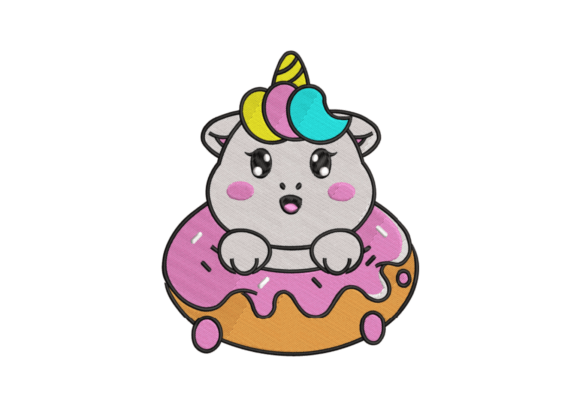
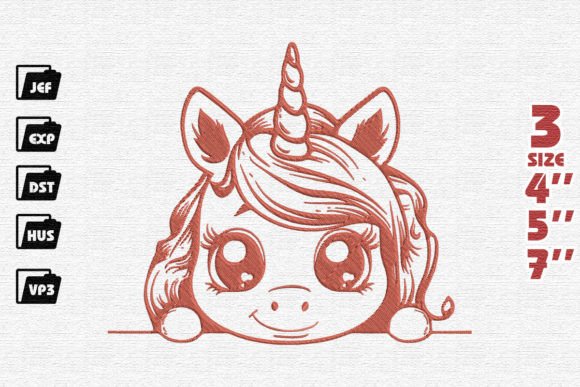
The core appeal of this design lies in its composition. It features an adorable, chibi-style unicorn peeking over a surface, with only its head and part of its body visible. This "peek-a-boo" layout is a smart choice for embroidery because it naturally creates a focal point without requiring massive coverage. In the world of Baby Animals and fantasy themes, this approach feels fresh rather than generic. It suggests playfulness and curiosity, emotions that resonate strongly with parents, young adults, and anyone looking for a touch of whimsy in their wardrobe or home decor.
The visual personality here is soft and inviting. Unlike aggressive or highly detailed realistic designs, the chibi style relies on clean lines and simplified shapes. For an embroiderer, this is often a blessing. It means fewer complex transitions and a higher likelihood of consistent stitching results. However, we must remember that simplicity can sometimes read as "cheap" if the execution isn't precise. That is why testing is non-negotiable.
Real-World Application: Where Does This Design Fit?
I evaluated this design with a specific scenario in mind: creating a line of personalized gifts for a small boutique or Etsy shop. The versatility of the "peeking" motif makes it surprisingly adaptable across various product categories.
- Custom Apparel: On a sweatshirt embroidery project, placing the unicorn peeking from the bottom hem or the cuff creates a delightful surprise element. It works exceptionally well on oversized hoodies, adding a subtle detail that invites closer inspection.
- Baby Embroidery: Given the gentle theme, this is ideal for baby clothes, burp cloths, or nursery decor. The scale of the design needs to be considered carefully here; too large, and it overwhelms a tiny onesie. Too small, and you lose the cute facial expressions.
- Tote Bag Design: A canvas tote bag is a classic canvas for this type of art. Imagine the unicorn peeking out from the top edge of a sturdy cotton tote. It adds character to what might otherwise be a plain accessory, making it a perfect gift item.
- Home Goods: Tea towels, aprons, and pillow covers are excellent candidates. The design’s vertical orientation fits well within standard kitchen towel dimensions, offering a cheerful accent without dominating the entire fabric space.
For the Etsy seller or small shop product creator, this design offers high perceived value with relatively low material cost. It appeals to the desire for unique, handmade products that feel personal and thoughtful.
Technical Considerations and Potential Pitfalls
While the aesthetic is strong, every designer knows that the devil is in the details. Here is where you need to pay close attention when preparing this file for production.
Stitch Density and Detail Clarity
The chibi style usually implies lighter stitch density, which is generally good for machine stability. However, you must inspect the small details, particularly around the eyes and horn. If the design uses satin stitch for fine outlines, ensure the underlay is sufficient to prevent puckering. Conversely, if there are areas meant to be filled with fill stitch, check that the spacing allows for proper thread coverage without looking sparse. A poorly executed fill can make a cute design look muddy and unprofessional.
Fabric Selection Matters
This design will not perform equally on all materials. Avoid using it on textured fabrics like heavy bouclé wool or loose-weave linen, as the background noise will distract from the unicorn’s face. Thin or stretchy fabrics also pose risks; without the correct stabilizer, the tension required to stitch the curves could distort the garment, causing the "peeking" effect to warp unnaturally.
Furthermore, consider contrast. On dark fabric, you will need a stabilizing layer of white or light-colored thread underneath, or a backing, to ensure the colors pop. On very light fabrics, ensure the thread colors have enough depth to stand out against the weave.
Hoop Size Constraints
Always confirm the hoop size requirements before committing to a large product. If the design is intended for a 5x7 inch hoop but you are attempting to stitch it onto a curved surface like a cap brim, you may run into alignment issues. Curved surfaces require careful planning to ensure the "peeking" angle looks natural relative to the wearer’s perspective.
Production Tips for Professional Results
To elevate this design from a hobbyist craft to a professional-grade finished product, follow these practical steps:
- Test on Scrap Fabric: Never go straight to the final garment. Stitch the design on a scrap of the same fabric type to check for tension issues, color bleeding, or stabilization failures.
- Check Thread Color Contrast: Review the thread colors in your software. Ensure the unicorn’s skin tone contrasts sufficiently with the background fabric. Muted tones can get lost on beige or grey materials.
- Inspect Small Details: Zoom in on the digital file. Are the eyes distinct? Is the horn sharp? If the design relies on tiny running stitch accents, verify that they won’t break easily during wear and washing.
- Use Proper Stabilizer: Depending on the fabric, you may need cut-away stabilizer for permanent durability, especially for items that will undergo frequent washing, such as baby clothes or kitchen towels.
- Black and White Mockup: Convert the design to black and white in your digitizing software. This helps you see the balance of positive and negative space, ensuring the design has good visual weight even without color.
Commercial Viability and Branding
For those selling finished goods, the Cute Chibi Unicorn Peeking Embroidery design offers strong branding potential. Its distinctive silhouette makes it recognizable, which is key for building a loyal customer base. It fits seamlessly into niches focused on fantasy, childhood nostalgia, and lighthearted humor.
However, always confirm licensing before selling finished items or digital products. Even if the design is purchased for personal use, commercial rights vary widely. Ensure you have the legal clearance to produce merchandise. Additionally, consider how this design aligns with your overall brand consistency. If your shop focuses on minimalist, modern aesthetics, this playful chibi style might feel out of place. But if your brand celebrates whimsy and joy, this design is a powerful asset.
Final Verdict
The Cute Chibi Unicorn Peeking Embroidery is a well-conceived design that balances charm with technical feasibility. It succeeds because it understands the medium: it uses shape and placement to create interest without relying on excessive complexity. For the right audience—parents, gift-givers, and fans of kawaii culture—it delivers emotional value that translates into sales.
By approaching this project with the caution it deserves—testing stitches, choosing appropriate fabrics, and verifying licenses—you can turn this simple unicorn motif into a standout piece of commercial embroidery. It is not just a pretty picture; it is a functional tool for creating memorable handmade products that customers will cherish. If you are looking to add a touch of magic to your next embroidery project, this design is definitely worth a spin in the hoop.