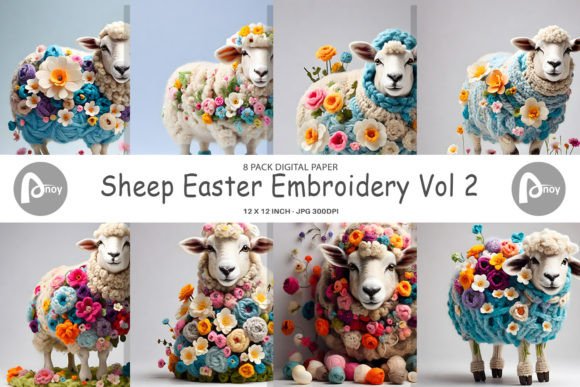
Digital Paper Sheep Easter Embroidery Review
As an embroidery designer who spends her weekends haggling over table space and praying for good lighting at craft fairs, I have learned one hard truth: customers do not buy files; they buy finished products. They want to touch the fabric, see the texture of the thread, and imagine how a piece fits into their home or daily routine. When I received the Digital Paper Sheep Easter Embroidery collection, my first instinct was not to look at the code, but to visualize it on a booth table. This review is a practical breakdown of how this 8-pack digital asset set performs in the real world of handmade commerce, specifically for those of us turning digital designs into tangible goods.
First Impressions and Visual Appeal
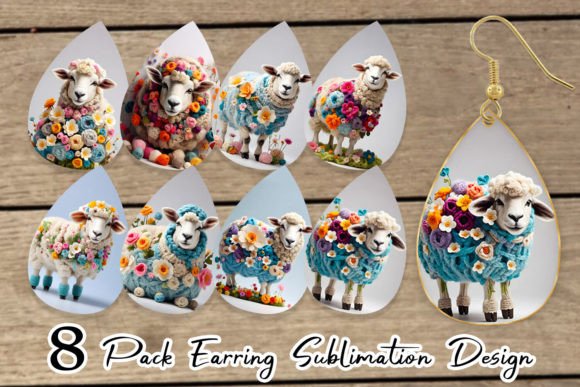
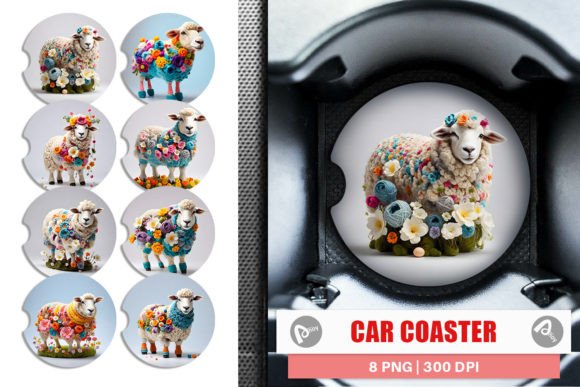
The title suggests a whimsical, seasonal theme, and the description promises "artistic excellence" designed to supercharge creative endeavors. From a visual standpoint, sheep are a versatile motif. They bridge the gap between rustic farmhouse charm and modern minimalism. For an Easter themed collection, the potential for soft pastels or high-contrast spring colors is immediate. The "Digital Paper" aspect implies that these graphics might be vector-based or high-resolution raster images intended for transfer or print-then-stitch workflows, rather than traditional .pes or .dst machine embroidery files alone. This distinction is crucial for your production strategy.
When you lay out these designs next to each other, does the collection feel cohesive? A strong booth display relies on repetition and variety. If the sheep designs vary in style—some bold and graphic, others detailed and textured—you can create a layered visual story. However, if they are too similar, you risk monotony. The key here is whether the design assets allow for easy scaling. Can a small lamb head work as a pocket accent on a tote bag, while a full flock scene works as a focal point on a tea towel? The best machine embroidery design collections offer this flexibility.
Product Application: What Sells at the Fair?
Let’s talk about where this embroidery file shines. Based on typical market trends for spring and Easter, certain substrates will move faster than others. Here is how I would deploy these designs across a standard craft fair table.
- Tote Bags: A tote bag design featuring a single, cute sheep is an instant impulse buy. Parents love them for kids' school supplies, and students appreciate the aesthetic. Ensure the design is centered or placed on the front pocket for maximum visibility. These are high-volume sellers because they are functional and affordable.
- Apron Embroidery: Spring cleaning and baking are huge themes in April. An apron embroidery piece with a pastoral sheep motif adds a touch of humor and warmth to the kitchen. It elevates a basic cotton apron into a premium handmade product. Look for designs that fit well within the chest area without overwhelming the wearer.
- Tea Towel Embroidery: This is perhaps the most profitable item per square inch of effort. A long, narrow design works perfectly here. Because tea towels are often used as decor before they are used as cleaning tools, the visual impact must be high. The Digital Paper Sheep Easter Embroidery set likely offers enough variety to create a "set" of three matching towels, which encourages bundle sales.
- Embroidered Patches: For a quick, low-material-cost item, patches are king. You can cut around the design, apply interfacing, and sell them as pins or iron-ons. This is excellent for testing which specific sheep design resonates most with buyers before committing to larger garments.
- Caps and Beanies: Curved surfaces present a challenge. Ensure the design has enough negative space to curve smoothly without bunching. A small, centered sheep logo on a dad hat or baseball cap is a staple small shop product.
Production Practicality and Technical Considerations
Before you rush to produce inventory, you must evaluate the technical feasibility of the digital embroidery file. Not all digital graphics translate seamlessly to stitches. Here are critical factors to consider during your production planning.
Stitch Density and Fabric Texture
Sheep wool is inherently textured. If the digital design attempts to replicate this with dense satin stitches, you may run into issues with thick fabrics like denim or heavy canvas. High stitch density can cause puckering, especially on lightweight cottons used for tea towels. Always test the design on scrap fabric that matches your final substrate. If the design includes tiny details representing individual wool tufts, ensure they are large enough to be stitched clearly. Tiny details often get lost in the stitching process, resulting in a muddy appearance that fails to capture the eye from a distance.
Hoop Size and Spacing
Confirm the recommended hoop size for each design in the pack. A design that requires a large hoop limits your product options to bigger items like pillows or large wall hangings. Smaller hoops allow for greater versatility, enabling you to embroider on smaller pouches, caps, and baby clothes. Check the spacing of the elements. If the sheep are part of a scattered pattern, ensure there is enough room between motifs to avoid stitching collisions, particularly if you are using multi-hooping techniques.
Thread Colors and Contrast
The success of any embroidery project hinges on thread contrast. If you are working with dark fabrics, light-colored sheep designs will pop beautifully. On white or cream fabrics, you will need darker threads or appliqué techniques to make the design visible. Plan your thread colors carefully. Pastel threads (mint, blush, lavender) align well with the Easter theme, but ensure they are distinct enough to be seen against your chosen fabric. A lack of contrast is the number one reason a finished product looks flat and unappealing.
Marketing and Booth Display Strategy
For the Etsy seller or the online vendor, the way you photograph these items is just as important as the embroidery itself. Use printable mockups to showcase the designs on various products before you even stitch them. This allows you to list items for pre-order or build anticipation on social media. When photographing physical samples for your booth, use natural light to highlight the texture of the thread. A close-up shot of the sheep’s face can convey the quality of your workmanship better than any description.
Create a cohesive brand presence. If your booth features multiple items embroidered with the same sheep motif, tie them together with consistent packaging and signage. This reinforces the idea that you are a professional brand, not just a hobbyist. The Digital Paper Sheep Easter Embroidery collection can serve as the anchor for a spring-themed line, drawing customers in with its festive appeal.
Final Verdict and Designer Notes
The Digital Paper Sheep Easter Embroidery set appears to be a valuable asset for creators looking to capitalize on the spring season. Its strength lies in its thematic relevance and the potential for diverse application across multiple product types. However, success depends entirely on execution.
Essential Checklist Before Production:
- Test on Scrap Fabric: Never assume a design will work on your target material. Test stitch density, tension, and color contrast.
- Check Commercial Licensing: Verify the terms of use for the design assets. Ensure you have the right to sell finished products made from these designs.
- Use the Right Stabilizer: Depending on the fabric weight, choose between tear-away, cut-away, or wash-away stabilizers to prevent distortion.
- Create Real Mockups: Produce at least one sample of each major product type (tote, apron, towel) to evaluate the final look and feel.
- Inspect for Clarity: Zoom in on the digital file. Are the lines clean? Are there any artifacts that might not stitch well?
If you approach this collection with a strategic mindset, focusing on quality control and smart product placement, the Digital Paper Sheep Easter Embroidery set can significantly boost your craft fair product lineup. It offers the perfect blend of seasonal charm and commercial viability, provided you respect the technical nuances of machine embroidery. By paying attention to detail—from stabilizer selection to thread colors—you can transform these digital graphics into high-value commercial embroidery pieces that customers will love.