Easter Embroidery Bunny Wind Spinner Review
As an embroidery designer who has spent years turning digital concepts into tangible brand assets, I approach every new design file with a mix of creative excitement and technical scrutiny. When evaluating Easter Embroidery Bunny Wind Spinner for commercial use, the goal is never just to make something pretty; it is to determine if the design holds up under the stress of production, looks professional on merchandise, and strengthens your brand identity. This review breaks down how this specific wind spinner motif performs when translated from a sublimation graphic to a stitched reality for small business owners, Etsy sellers, and apparel decorators.
First Impressions and Visual Personality
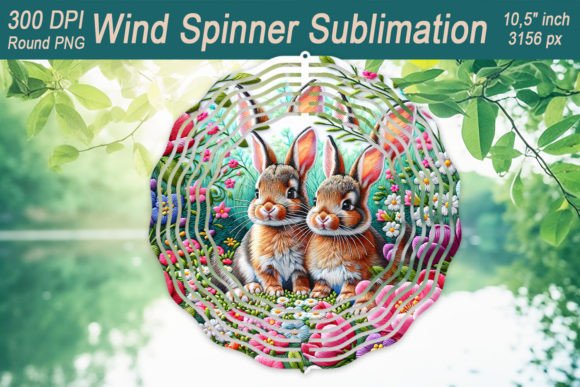
The title Easter Embroidery Bunny Wind Spinner immediately suggests motion, playfulness, and seasonal cheer. Unlike static logos that sit flat on a chest pocket, a wind spinner implies rotation and life. From a design perspective, this offers a unique opportunity to create dynamic branded patches or accents that catch the eye. The visual personality leans heavily toward friendly, modern, and playful. It feels less like a rigid corporate logo and more like a handmade product accent, which is perfect for boutiques, bakeries, florists, and creative studios looking to humanize their brand during the spring season.
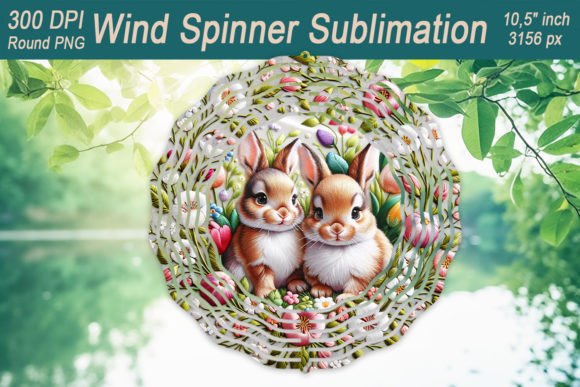
However, the transition from a PNG sublimation file to an embroidered patch requires careful consideration. The original description notes the design size is approximately 10.5 x 10.5 inches. While this is a generous canvas for a large wall hanging, it presents challenges when scaling down for smaller applications like cap embroidery or apron details. A design that relies on fine lines or intricate curves in a large format may lose its integrity when reduced to a two-inch patch unless the digitization is exceptionally clean.
Real-World Business Applications
For small business merch creators, versatility is key. Here is how Easter Embroidery Bunny Wind Spinner can be integrated into various commercial projects:
- Branded Patches and Badges: The circular or rounded nature of a wind spinner design translates well into circular patches. These are excellent for adding a touch of whimsy to denim jackets, tote bags, or as a premium label on handmade goods.
- Staff Uniforms and Aprons: For cafes and bakeries, this design can serve as a festive accent on chef coats or barista aprons. Placed on the cuff or near the hemline, it adds seasonal flair without overwhelming the professional look of the uniform.
- Cap Embroidery: If the design elements are bold enough, it can work as a central motif on a structured cap. However, the "spinner" aspect might get lost on a curved surface, so simplifying the core bunny silhouette is often necessary for legibility.
- Tote Bag Design: Large canvas totes are ideal for this scale. The 10.5-inch width allows for detailed stitching that showcases thread texture and color contrast, making it a high-value item for craft fairs and pop-up shops.
- Product Packaging Accents: Small embroidered labels featuring a simplified version of the wind spinner can elevate packaging. Customers perceive higher value when they see tactile, embroidered details on tags attached to candles, soaps, or baked goods.
Impact on Brand Identity and Customer Trust
In the crowded market of handmade products, visual consistency builds trust. Using a cohesive design language across your small business merch signals professionalism. The Easter Embroidery Bunny Wind Spinner brings a sense of joy and attention to detail. When customers receive a product with a well-executed embroidered accent, it reinforces the idea that you care about quality. This emotional connection drives repeat purchases and word-of-mouth referrals. Furthermore, because the design is seasonal, it allows brands to refresh their aesthetic annually without changing their core logo, keeping the brand feeling current and engaged.
Technical Considerations for Embroidery Production
Before committing this design to production, several technical factors must be evaluated to ensure a successful commercial embroidery project.
Stitch Density and Detail Level
The description mentions a PNG file at 300 DPI, but does not specify the stitch count or file format (e.g., PES, DST, EXP). High stitch density can cause fabric puckering, especially on lightweight materials like polyester blends used in performance wear. If the wind spinner includes thin, delicate lines representing the "wind" blades, these may require satin stitches that can break or fray if not properly supported. Always inspect the spacing between elements; too much white space can make the design look sparse on a small patch, while too little can make it muddy.
Fabric Texture and Stabilizer Choice
The choice of substrate dramatically affects the final look. On a smooth cotton tote bag, the design will appear crisp and vibrant. On a textured linen apron or a fuzzy fleece hat, the finer details may disappear. To maintain clarity, a cut-away stabilizer is often recommended for woven fabrics to prevent distortion, while tear-away stabilizers work well for non-wovens. Testing on the actual fabric type is non-negotiable. You must verify that the thread colors provide sufficient contrast against the background material, particularly if using dark uniforms where light threads might be required.
Hoop Size and Limitations
With a design size of approx 10.5 x 10.5 inches, you need a machine capable of handling a medium-to-large hoop. This limits where the design can be placed on garments. It cannot be used for standard left-chest logos on shirts unless scaled down significantly. Scaling down introduces the risk of losing detail. Therefore, this design is best suited for larger areas: the back of a shirt, a full-front tote, or a dedicated patch area. Confirm your machine’s maximum hoop dimensions before attempting to digitize or produce large runs.
Strategic Placement and Usage Warnings
While the design is charming, there are places where it should be used carefully. Avoid placing intricate versions of this design on items that undergo frequent, heavy washing, such as work boots or industrial lab coats, as the edges may fray over time. Similarly, tiny lettering or very fine outline details within the wind spinner blades may become illegible if embroidered at a size smaller than 2 inches. In these cases, opt for a simplified vector version of the bunny silhouette rather than the full complex wind spinner graphic.
Additionally, consider the context of the customer. For a high-end boutique, the playful nature of the bunny might feel too casual for luxury goods. However, for a pet brand, a children’s clothing line, or a local flower shop, it hits the perfect note of approachability and warmth.
Designer’s Checklist for Production
To ensure Easter Embroidery Bunny Wind Spinner delivers maximum value for your brand, follow this practical checklist:
- Test in Black and White: Convert the design to monochrome to check contrast and readability. If it doesn’t read clearly in black and white, it won’t read well in color.
- Create a Printable Mockup: Before stitching, place the design on a digital mockup of your intended product (hat, tote, shirt) to visualize scale and placement.
- Review Thread Color Contrast: Ensure the selected thread palette stands out against the fabric. Light pastel threads on white fabric may lack definition.
- Confirm Commercial Licensing: Verify that the purchase includes rights for resale on physical goods. Many digital graphics are limited to personal use only.
- Inspect Spacing and Hoop Size: Ensure the design fits within your machine’s capabilities and that the spacing allows for proper stitching stability.
- Compare Beside Other Assets: Check how the design complements your existing brand fonts and logos. Does it fit the overall aesthetic?
Ultimately, Easter Embroidery Bunny Wind Spinner is a strong candidate for businesses looking to add a touch of seasonal magic to their handmade product line. By respecting its technical limitations and leveraging its playful personality, you can create memorable branded pieces that resonate with customers and drive sales. Always prioritize quality control and proper digitization to ensure your finished product reflects the professionalism of your brand.