Embroidery Folk Ethnic Geometric Pattern Review
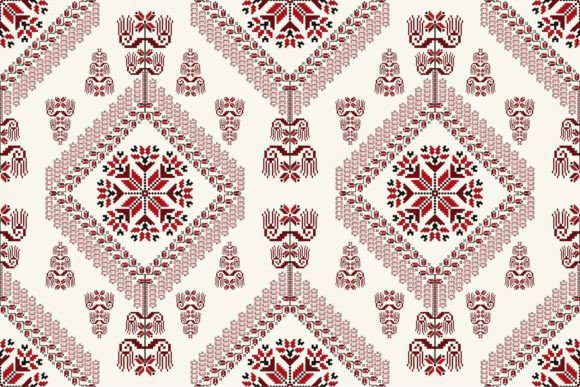
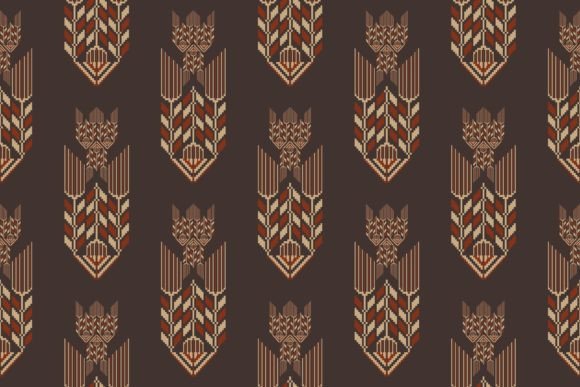
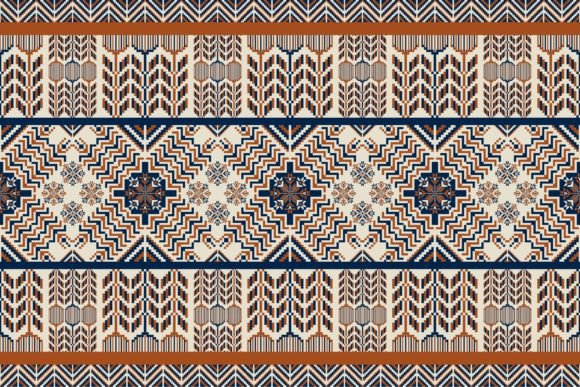
As a designer who spends half the day sketching and the other half troubleshooting stitch paths, I don’t just look at an embroidery file; I look at how it will behave under the needle. When I first pulled up Embroidery Folk Ethnic Geometric Pattern, my initial reaction wasn’t about the colors, but about the structure. It is a vector embroidery folk geometric shape seamless pattern that immediately signals "handmade authenticity." In a market saturated with generic floral or abstract motifs, this design carries a distinct visual weight that feels both modern and deeply rooted in traditional craft.
I evaluated this design not just as a digital asset, but as a potential hero element for real-world projects. Whether you are an Etsy seller looking to refresh your shop’s aesthetic or a boutique owner sourcing unique custom apparel, understanding how this embroidery project translates from screen to fabric is crucial. Here is my practical breakdown of where this design shines, where it might struggle, and how to position it for maximum impact.
The Visual Personality and Mood
The mood of this embroidery design is warm, inviting, and slightly rustic without being old-fashioned. The geometric shapes create a rhythm that guides the eye across the fabric, making it ideal for larger coverage areas like the front panel of a sweatshirt or the body of a tote bag. Unlike intricate pictorial designs that require high-end digitizing to avoid clutter, this pattern relies on clean lines and bold shapes.
From a branding perspective, this Graphics category item works exceptionally well for businesses targeting the bohemian, artisanal, or eco-conscious consumer. It suggests quality and attention to detail. When customers see a well-executed geometric pattern, they subconsciously associate it with higher product value. It elevates a basic cotton tee into a statement piece. The thread colors available in the vector version allow for significant customization, meaning you can adapt the palette to match seasonal trends—earth tones for autumn, pastels for spring, or monochrome for a sleek, modern look.
Real-World Application: The Tote Bag Scenario
To truly test the viability of this machine embroidery design, let’s imagine a specific use case: creating a line of custom canvas tote bags for a local farmers market or an online craft fair.
I envision taking this seamless pattern and scaling it to cover the entire front panel of a sturdy canvas tote. Because the pattern is geometric, it creates a sense of order and professionalism that appeals to buyers who want something more sophisticated than a simple single logo. However, the execution matters. If the stitch density is too high, the heavy canvas will pucker. If it is too low, the fabric texture will show through unevenly, ruining the crispness of the geometric shapes.
In this scenario, the design acts as a background texture rather than a focal point. This allows you to add a small, contrasting logo in the corner without visual competition. For an Etsy seller, this versatility is gold. You can offer the bag with different colorways, effectively doubling your product listings with minimal extra work. The handmade product feels substantial and luxurious because the pattern covers a large area, giving the customer the impression of getting more value for their money.
Performance on Different Fabrics and Projects
This embroidery file is not one-size-fits-all. Its success depends heavily on the substrate you choose. Here is how it performs across various common craft business items:
- Sweatshirt Embroidery: On French terry or fleece, this pattern looks stunning. The slight stretch of the fabric complements the geometric lines, and the thickness of the material supports the stitch volume well. It becomes a cozy, high-end streetwear item.
- Aprons and Kitchen Towels: These are excellent candidates. The geometric theme fits perfectly with home decor trends. The pattern holds up well to frequent washing if stitched correctly, maintaining its structural integrity better than delicate floral designs.
- Baby Clothes: While the design is beautiful, caution is needed. Soft baby knits can distort under the tension of a dense geometric pattern. Use a light stabilizer and ensure the hoop size accommodates the garment without excessive stretching. A smaller placement on a onesie pocket or bib works best here.
- Embroidered Patches: This is a strong contender for commercial embroidery. The geometric border naturally lends itself to a patch edge. You can add a satin stitch border around the perimeter, and the internal pattern provides enough visual interest to make the patch stand out on denim jackets or backpacks.
Where to Exercise Caution
No design is perfect, and there are specific scenarios where this digital embroidery file might present challenges. As a reviewer, I must highlight these potential pitfalls so you can avoid costly mistakes.
Small Hoop Sizes: If you attempt to stitch this pattern in a very small hoop (under 4x4 inches), the individual geometric elements may become too tiny to distinguish. Fine details can get lost, resulting in a muddy appearance. Always check the smallest feature size against your machine’s resolution capabilities.
Textured and Stretchy Fabrics: Avoid using this design on highly textured fabrics like chunky bouclé or loose-weave linen unless you are using a heavy-duty stabilizer. The irregular surface can cause thread breaks or uneven tension. Similarly, on stretchy jersey fabrics, the rigid nature of geometric patterns can feel stiff. Consider using a tear-away stabilizer and testing on scraps first to ensure the fabric snaps back into place after hooping.
Dark Fabrics: If you are stitching on dark backgrounds, the contrast of your thread colors becomes critical. Light-colored threads might get lost in the shadows of the fabric weave. Conversely, dark threads on black fabric require careful lighting during production to ensure the design is visible. Always review your design in a black-and-white mockup to check contrast levels before committing to production.
Practical Designer Notes for Success
To get the most out of this embroidery project, follow these professional tips:
- Test on Scrap Fabric: Never go straight to the final product. Stitch the design on a scrap of the exact same fabric and stabilizer combination. This reveals issues with puckering, thread tension, or color blending.
- Check Stitch Density: Ensure the fill stitch areas are not overly dense. If the design feels heavy, consider adjusting the underlay settings in your digitizing software to reduce bulk.
- Inspect Small Details: Zoom in on the vector file. Are any lines too thin? Will they break during stitching? If so, simplify the design by removing minor decorative elements.
- Stabilizer Selection: Use a cut-away stabilizer for woven fabrics like canvas and denim to provide long-term support. For knits, a tear-away or wash-away stabilizer may be sufficient, depending on the fabric weight.
- Licensing Check: Before selling finished items, confirm the licensing terms. Some design assets are for personal use only. For small shop products, you typically need a commercial license. Make sure you have the rights to sell physical goods made with this embroidery pattern.
Final Verdict
Embroidery Folk Ethnic Geometric Pattern is a versatile, high-potential asset for any designer looking to add a touch of ethnic charm to their portfolio. It bridges the gap between traditional aesthetics and modern minimalism, making it appealing to a broad audience. From holiday gifts to boutique branding, this design offers flexibility and visual appeal. By paying attention to fabric choice, stabilization, and stitch density, you can transform this vector graphic into a profitable, professional-grade finished product that customers will love.