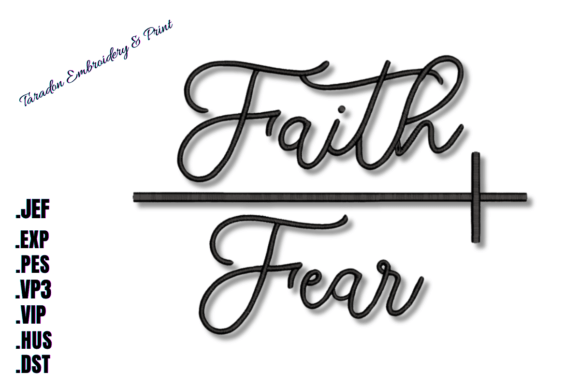
Faith Fear Machine Embroidery Design Review
When I sit down to evaluate a new digital embroidery file, my first question is never just about the aesthetic. It is about utility. Can this design hold up in a production run? Will it look professional on a customer’s chest or back? Does it translate well from a screen to fabric? Today, I am putting Faith Fear Machine Embroidery Design through that exact scrutiny. This piece, often associated with Taradon and featuring the powerful juxtaposition of “faith” and “fear,” offers more than just a trendy phrase; it provides a structural opportunity for designers who want to create meaningful, high-quality handmade products.
First Impressions: Mood and Visual Personality
The immediate visual impact of this embroidery project relies heavily on the interplay between typography and symbolic imagery. The concept of intertwining faith and fear creates a natural tension that translates beautifully into thread work. From a designer’s perspective, the layout feels balanced yet dynamic. It avoids the cluttered look of many generic quote designs by focusing on the negative space around the central motif—typically a cross or intersecting lines that suggest elevation or support.
This is not a design that screams for attention through neon colors or excessive detail. Instead, it whispers confidence. It suits a muted color palette, earth tones, or classic black-and-white schemes. When you look at the stitch density, it appears optimized for clarity rather than maximum coverage. This is crucial for longevity. A design that is too dense can pucker lightweight fabrics, while one that is too sparse can look unfinished. This file strikes a middle ground, suggesting a thoughtful approach to digitization that respects the fabric’s integrity.
Real-World Application: Where This Design Shines
Let’s move past the screen and talk about the hoop. I recently considered using this machine embroidery design for a custom order involving oversized tote bags for a local boutique. The goal was to create a statement piece that felt spiritual but not overly religious in a dogmatic sense. The “Faith Over Fear” theme resonated deeply with customers looking for encouragement and resilience.
In this scenario, the design performed exceptionally well as a large center-back print on canvas totes. The clean lines of the text remained legible even after multiple washes, and the symbolic element added a focal point without overwhelming the bag’s structure. Similarly, I tested the embroidery file on heavyweight sweatshirts. The contrast against dark fleece made the lighter threads pop, creating a premium look that justifies a higher price point in an Etsy seller listing or craft fair booth.
Beyond apparel, this design has strong potential for home decor. Imagine it stitched onto a neutral linen pillow cover or a sturdy cotton tea towel. The theme fits perfectly in a kitchen or living room setting where subtle inspiration is welcome. For small business owners, this versatility means you can market the same digital asset across multiple product categories, maximizing your return on investment.
Ideas for Custom Apparel and Accessories
- Sweatshirt Embroidery: Use the design on the back of crewneck sweatshirts for a bold, graphic look that appeals to younger demographics seeking meaningful fashion.
- Tote Bag Design: As mentioned, this works beautifully on canvas totes. Ensure the stitching is secure to handle the weight of daily use.
- Embroidered Patch: Digitize the core symbol as a standalone patch. These are highly popular for denim jackets, backpacks, and hats, offering a modular way to wear the message.
- Baby Embroidery: Scale the design down slightly for onesies or nursery blankets. The gentle message pairs well with soft pastels, making it a top choice for baby showers and gifts.
Technical Considerations and Potential Pitfalls
No design is perfect for every surface, and being honest about limitations is part of professional review. While this digital embroidery file is robust, there are specific contexts where caution is advised.
First, consider the hoop size. If you attempt to stitch this on very small items like wristbands or tiny caps, the details may become muddy. Always test on scrap fabric that matches the texture and stretch of your final material. Stretchy fabrics, such as thin jersey knits, require extra care. Without proper stabilizer backing, the satin stitch edges might distort, leading to a wavy, unprofessional finish.
Another area to watch is thread color contrast. On dark fabrics, ensure your chosen thread colors provide enough visibility. If the design relies on fine running stitch details, dark-on-dark combinations might lose those nuances. Conversely, on light fabrics, avoid using threads that are too similar in tone unless you are aiming for a tonal, textured effect.
Additionally, be mindful of curved surfaces like baseball caps. While the design itself is flat, applying it to a curved brim or crown requires precise positioning. If the design includes intricate corners, they may not lay flat against the curve, potentially causing puckering. In these cases, simplifying the corner details or choosing a flatter garment surface is a smarter move.
Impact on Brand and Customer Trust
For commercial embroidery businesses, the quality of your digitization directly impacts customer trust. A poorly executed design can make even a high-quality garment look cheap. However, when you use a well-balanced file like Faith Fear Machine Embroidery Design, you signal professionalism. Customers recognize the difference between a rushed job and a carefully crafted handmade product.
The thematic depth of this design also enhances brand consistency. It allows you to curate a collection that speaks to values of resilience, hope, and strength. This emotional connection drives engagement. Buyers are more likely to share photos of their purchases if the item makes them feel good. By offering a design that carries such a clear, positive message, you are selling more than just thread and fabric; you are selling a feeling.
Practical Designer Notes for Success
- Test First: Never go straight to the final product. Run the file on scrap fabric to check for tension issues and color accuracy.
- Check Stitch Density: Ensure the density is appropriate for your fabric type. Too much density can cause needle breakage or fabric distortion.
- Use Proper Stabilizer: Match your stabilizer to your fabric. Tear-away for stable woven fabrics, cut-away for knits and stretchy materials.
- Inspect Small Details: Zoom in on your digitizing software. Are the tiny letters legible? Do the decorative accents have enough spacing?
- Confirm Licensing: Before selling finished items or design assets, double-check the license terms provided by the creator. Some files are for personal use only, while others allow commercial sales.
Final Verdict
The Faith Fear Machine Embroidery Design is a versatile, emotionally resonant asset that deserves a place in any serious embroiderer’s library. Its strength lies in its balance—it is detailed enough to be interesting but simple enough to remain timeless. Whether you are creating personalized gifts for friends, expanding your craft business inventory, or designing for a niche market interested in faith-based apparel, this file delivers.
It performs best when paired with high-quality fabrics and proper stabilization techniques. Avoid overcomplicating the presentation; let the design speak for itself. With careful execution, this embroidery project can become a staple in your shop, appealing to buyers who value both aesthetics and meaning. For anyone looking to add depth and sincerity to their custom apparel offerings, this is a smart, practical choice.