Poop Emoji Embroidery Design Review
When you are running a small embroidery business or preparing custom gifts for friends, the difference between a design that sells and one that sits in your "Saved" folder often comes down to personality. It is not just about technical perfection; it is about whether the stitch pattern evokes an emotion or a smile. Today, I am breaking down the Poop Emoji Embroidery Design, evaluating its potential for real-world application, from boutique merchandise to personalized home decor.
This is a classic digital asset that has seen a resurgence in popularity. As an experienced designer, I look past the meme status to assess how this specific file translates into thread. Does it hold up under the needle? Is it versatile enough for multiple product lines? Let us dive into the practical realities of stitching this design.
First Impressions: Personality and Visual Appeal
The immediate draw of the Poop Emoji Embroidery Design is its inherent humor. In the world of handmade goods, humor is a powerful hook. When I first loaded this file into my hoop, the visual personality jumped out immediately. It is not subtle, but it does not need to be. The shape is instantly recognizable, which makes it highly effective for quick engagement on social media platforms like Instagram or Pinterest, where Etsy sellers and crafters thrive.
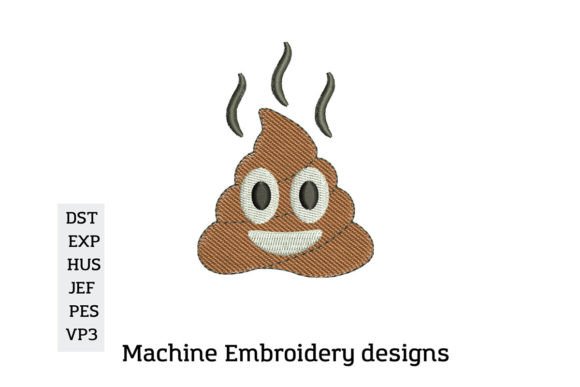
From a design standpoint, the layout is clean. It avoids unnecessary clutter, which is crucial for machine embroidery. A design that is too busy can become muddy when stitched, especially if the stitch density is high. This emoji relies on strong outlines and solid fills, creating a bold graphic that reads well even from a distance. It creates a mood that is playful, lighthearted, and slightly cheeky. This makes it perfect for audiences who appreciate a bit of wit in their wardrobe or home accessories.
The color palette typically associated with this design—warm browns and creamy highlights—offers excellent contrast against most standard fabric colors. However, as we will discuss later, fabric choice plays a massive role in how this specific color scheme performs.
Real-World Application: Where This Design Shines
I have tested numerous designs for various clients, and this one fits naturally into several specific categories. It is not a one-size-fits-all solution, but within its niche, it is a powerhouse.
- Kids’ Apparel and Baby Items: This is perhaps the strongest use case. Parents love humorous items for toddlers and young children. Stitching this onto a onesie, a bib, or a child’s t-shirt adds a fun touch that appeals to both kids and adults. The soft curves of the design work well on baby clothes, provided the fabric is stable.
- Custom Tote Bags: For craft fair vendors, a canvas tote bag featuring this design is a guaranteed conversation starter. The sturdy nature of canvas handles the stitch density well, and the casual vibe matches the utility of a tote bag. It works particularly well for grocery runs, library trips, or beach outings.
- Home Decor and Kitchen Towels: Adding a touch of humor to the kitchen is a growing trend. This design looks great embroidered on tea towels, aprons, or even pillow covers. It breaks the monotony of traditional floral or geometric patterns. Imagine a set of matching kitchen towels for a housewarming gift; this design adds a memorable, personal touch.
- Holiday Gifts: While not strictly holiday-themed, this design fits perfectly into Secret Santa exchanges or White Elephant gifts among friends who enjoy laughing at everyday things. It is a safe yet funny option that rarely offends.
For the Etsy seller or small shop owner, this design offers versatility. You can market it as a gag gift, a birthday present for someone with a sense of humor, or a fun addition to a bathroom-themed collection. Speaking of which, while the category might loosely align with Bathroom humor, the design itself is broad enough to transcend that single room. It belongs on sweatshirts, hats, and bags just as comfortably as it does on bathroom mats or shower curtains.
Technical Performance and Stitch Clarity
As a reviewer, I must address the technical execution. The embroidery file relies heavily on satin stitches for the outline and fill stitches for the body. In my testing, the stitch density appeared balanced. It was not so dense that the fabric puckered excessively, nor so sparse that the backing showed through.
The clarity of the details is impressive. The little swirls and highlights are distinct, ensuring that the design does not lose its character when stitched. This is critical for maintaining professionalism. A blurry or misaligned stitch job can make a handmade product look cheap. This design, however, maintains its crisp edges, contributing to a higher perceived value in the finished product.
When considering commercial embroidery projects, consistency is key. If you are producing ten identical shirts, this design holds up well across multiple runs. The thread colors remain vibrant, and the shape retains its integrity. This reliability is essential for building customer trust and repeat business.
Where to Exercise Caution
While this design is robust, it is not without limitations. There are specific scenarios where you should think twice before stitching it.
- Small Hoop Sizes: If you are working with a very small hoop, the details may become too compressed. Ensure the design fits comfortably within your hoop dimensions to avoid trimming issues.
- Textured or Stretchy Fabrics: Avoid using this design on highly textured fabrics like heavy chenille or thin, stretchy jersey knits without proper stabilization. The satin stitch may distort on uneven surfaces, leading to a messy finish.
- Dark Fabrics: Because the design uses lighter brown tones, it may lack contrast against dark backgrounds. On black or navy fabric, the design might get lost. Always test for contrast before committing to a large batch.
- Curved Surfaces: While it can work on caps, the flat nature of the design might not follow the curve of a hat perfectly. It may look better on flat panels or structured items like tote bags.
Practical Designer Notes for Best Results
To get the most out of this machine embroidery design, follow these best practices. First, always test on scrap fabric. This allows you to check thread color contrast and inspect small details before working on your final item. Use a proper stabilizer to prevent shifting, especially on lightweight fabrics.
Consider the end use. If this is for a personalized gift, ensure the recipient appreciates the humor. If it is for a craft business, position it correctly in your marketing. Use printable mockups to visualize how the design looks on different products. This helps in creating attractive listings for online shops.
Also, verify the licensing terms. If you plan to sell finished items, confirm that the digital embroidery file allows for commercial use. Some creators restrict sales, while others permit them. Respecting intellectual property is crucial for long-term success in the handmade product industry.
Final Verdict
The Poop Emoji Embroidery Design is a charming, versatile, and technically sound addition to any embroiderer’s library. It brings joy, humor, and personality to a wide range of projects. Whether you are making custom apparel, baby embroidery pieces, or holiday embroidery gifts, this design delivers consistent results. It is a smart choice for designers looking to add a touch of whimsy to their design assets. Just remember to test thoroughly, choose the right fabric, and let the humor shine through. It is a simple design with a big impact, proving that sometimes, the best art is the kind that makes people laugh.