Skeleton Cat Embroidery Review
As an embroidery designer who spends countless hours planning seasonal collections, I am always looking for designs that strike the perfect balance between spooky and charming. When I first encountered the Skeleton Cat Embroidery design, I knew immediately that it had the potential to become a staple in my upcoming holiday product lineup. This piece is not just another generic Halloween motif; it is a carefully crafted combination of whimsical skeleton imagery and feline grace that appeals to a broad audience. In this review, I will break down why this machine embroidery design deserves a spot on your hoop and how it can elevate your seasonal embroidery offerings.
The First Impression: Whimsy Meets Spookiness
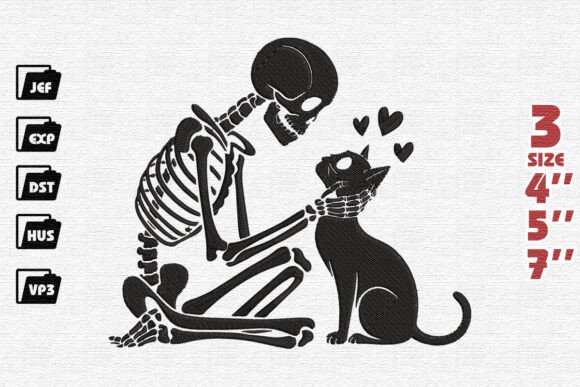
The immediate emotional tone of the Skeleton Cat Embroidery is playful rather than frightening. For sellers targeting families, children, or those who prefer "cute" over "creepy," this design hits the sweet spot. The skeleton is depicted with a soft, approachable charm, while the cat adds a layer of cozy domesticity that resonates deeply with crafters and gift buyers alike. It feels festive without being overwhelming, making it suitable for home decor as much as it is for apparel.
From a decorative standpoint, the design blends seamlessly into both rustic and modern aesthetics. Whether you are creating items for a bohemian-style Etsy shop or a sleek, contemporary brand, the clean lines and balanced composition of the embroidery file allow it to stand out. It evokes a sense of nostalgia, reminiscent of vintage Halloween cards but updated with a fresh, digital-age clarity. This versatility is crucial for any small shop product aiming for wide appeal during the peak shopping season.
Real-World Applications for Holiday Sellers
One of the strongest selling points of this design is its adaptability across various product categories. As a designer, I look for digital embroidery file options that offer multiple revenue streams from a single purchase. Here is how Skeleton Cat Embroidery performs in real-world scenarios:
- Apparel Decorations: This design works beautifully on sweatshirts, particularly oversized ones popular among teens and young adults. The placement on the chest or back creates a statement piece that feels like a handmade gift ready for gifting. It also translates well to hoodies and long-sleeve tees for autumn weather.
- Home Decor Essentials: Kitchen towel embroidery is a massive market segment, and this design fits perfectly within the borders of standard kitchen linens. It also makes for adorable pillow covers, adding a touch of seasonal spirit to living rooms without committing to full room makeovers.
- Accessories and Bags: A tote bag design featuring this motif is practical yet stylish. Shoppers love reusable bags that double as fashion statements. Additionally, creating an embroidered patch version allows customers to customize denim jackets or backpacks, extending the life of the garment.
- Baby and Nursery Items: Perhaps surprisingly, this design is gentle enough for baby onesies or burp cloths. Parents often seek unique, non-traditional Halloween gifts for their little ones, and the whimsical nature of the cat skeleton makes it safe and endearing for infants.
- Festival and Fair Displays: At craft fairs, products displayed on mannequins or folded neatly with tags highlighting the personalized gift aspect sell faster. Mockups showing the design on a variety of fabrics help customers visualize the final result.
Strategic Placement and Product Value
Incorporating Skeleton Cat Embroidery into your collection does more than just add a new item; it enhances the perceived value of your entire brand. During holiday shopping periods, customers are looking for items that feel special and thoughtful. A well-executed embroidered piece signals quality and care, which builds customer trust.
Consider creating gift bundles. Pairing a sweatshirt with matching kitchen towels or a tote bag with a set of coasters increases your average order value. The cohesive theme ties these disparate items together, making them irresistible as family matching sets or hostess gifts. Social media previews of these bundles perform exceptionally well, as they showcase the versatility of the design in a single, engaging image.
Visual Recognition and Brand Consistency
Consistency is key in building a recognizable brand. By using a distinct style like the whimsical skeleton cat across multiple products, you create a visual language that your customers come to expect. When they see that specific aesthetic, they know it comes from your shop. This recognition drives repeat business and word-of-mouth referrals, especially when the design is shared on platforms like Pinterest or Instagram under hashtags related to holiday embroidery.
Practical Designer Notes: Execution Matters
While the design concept is strong, the execution determines whether you get five-star reviews or returns. As an experienced designer, I cannot stress enough the importance of technical preparation. Here are essential steps to ensure your finished product shines:
- Thread Color Selection: Test thread colors on both light and dark fabric before mass production. White thread on black fabric offers high contrast, while pastel threads on cream fabric provide a softer, more elegant look. Avoid clashing hues that muddy the details.
- Stitch Density and Hoop Size: Check the stitch density of the file. If the design is too dense for certain fabrics, it may pucker. Confirm the recommended hoop size to ensure the design fits your intended product dimensions without awkward cropping.
- Stabilizer Usage: Use the proper stabilizer for each fabric type. Cut-away stabilizers are generally best for stretchy garments like sweatshirts to prevent distortion, while tear-away may suffice for stable cottons like kitchen towels.
- Fabric Texture Considerations: Be mindful of the fabric texture. Thick towels or fuzzy fleece may obscure fine details, so simplify the design or increase thread thickness if necessary. Conversely, smooth cottons will show off the intricate lines of the skeleton and cat perfectly.
- Mockup Realism: Create realistic mockups that show the embroidery on actual garments. Flat lay photos are good, but images showing the texture and dimension of the stitches help buyers appreciate the craftsmanship.
- Commercial Licensing: Always confirm commercial licensing terms before selling finished products. Ensure you have the right to use the embroidery file for profit-making activities, and respect any restrictions on the number of units you can produce.
Where to Exercise Caution
Not every application is suitable for every design. With Skeleton Cat Embroidery, avoid using it on very small hoop sizes where tiny lettering or delicate details might become illegible. Also, be cautious with metallic thread unless you are experienced with its handling, as it can break easily and affect the overall finish. Stretchy garments require extra stabilization to maintain shape, and curved caps may distort the symmetry of the design if not hooped correctly.
Final Thoughts for Seasonal Creators
The Skeleton Cat Embroidery design is a versatile, emotionally resonant choice for any seller looking to capitalize on the holiday season. Its blend of spookiness and charm makes it accessible to a wide range of customers, from hardcore Halloween enthusiasts to those seeking subtle seasonal decor. By paying attention to technical details like stitch density, thread colors, and stabilizer choice, you can create high-quality products that stand out in a crowded marketplace.
Remember to check the specific stitch count and file format compatibility before importing the design into your machine. Planning your color palettes early and creating printable mockups for promotion will streamline your workflow. Ultimately, this design offers a wonderful opportunity to connect with customers through heartfelt, handmade gifts that capture the spirit of the season. Whether you are an established Etsy seller or a newcomer to the world of commercial embroidery, adding this whimsical feline skeleton to your repertoire is a decision backed by both artistic merit and market potential.