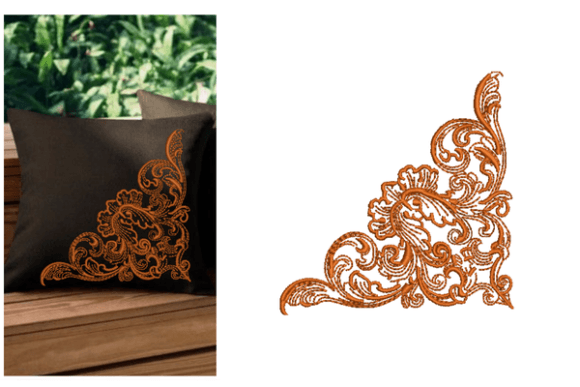
Yes, You Can Embroidery Digitizing
As an embroidery designer who spends more time than I care to admit staring at stitch paths and adjusting pull compensation, I approach every new design file with a healthy dose of skepticism. The craft fair circuit is unforgiving. Buyers walk past booths in seconds. If your handmade product doesn’t catch the eye immediately or feel substantial upon touch, it stays on the table. Today, I am reviewing a digital asset titled Yes, You Can Embroidery Digitizing. The description promises high precision and empowerment, but does it translate into sales? Let’s break down how this machine embroidery design performs in the real world, from the hoop to the booth.
First Impressions: Bold Confidence Meets Craft Fair Appeal
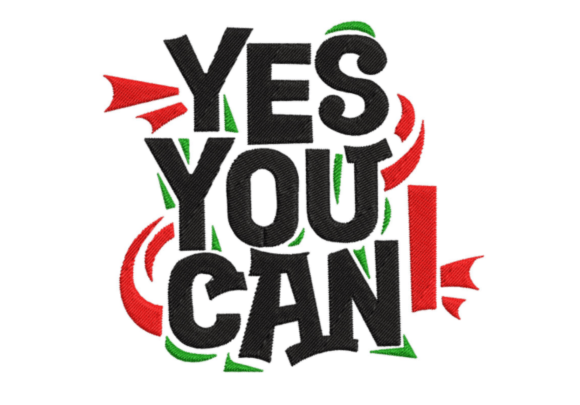
The title alone sets a tone. "Yes, You Can" is not subtle; it is empowering. In the context of a weekend market, where customers are often looking for gifts that inspire or affirm their own creative journeys, this message resonates. It feels modern, slightly playful, yet grounded enough to fit into a farmhouse or boutique aesthetic depending on your thread choices. It avoids being overly cute or cluttered, which is crucial for maintaining a premium look.
When you first load this embroidery file, the visual weight suggests it is designed to be seen. It is not a delicate, hidden accent; it is a statement. This makes it ideal for focal point applications. For a booth display, you want designs that read clearly from three feet away. This design achieves that through its confident phrasing and likely clean line work, assuming the digitization prioritizes legibility over excessive decorative flourishes. It strikes a balance between decorative and functional, making it versatile for various small shop products.
Product Performance: Where This Design Shines
To determine the best use case for this digital embroidery file, we need to look at specific product categories common in handmade markets. Here is how Yes, You Can Embroidery Digitizing translates across different mediums:
- Tote Bags and Market Bags: A canvas tote is the quintessential crafter fair product. This design works beautifully as a centered chest placement or a large back print. On natural cotton canvas, the contrast allows the text to pop. However, ensure the background fabric is light if the design uses light threads, or vice versa. The sturdy nature of a tote bag handles the tension well, making it a reliable seller.
- Apron Embroidery: Kitchen aprons are perennial best-sellers. Placing this design on the bib area creates an instant connection with home cooks and bakers. The message aligns perfectly with the "I can do this" attitude of cooking enthusiasts. Just be mindful of the stitch density; aprons are washed frequently, so a dense, durable digitization will hold up better than a sparse one.
- Tea Towel Embroidery: Linen or cotton tea towels offer a textured surface that adds character. This design might lose some fine detail on heavily textured linen, so test on your target fabric first. On smooth cotton twill, however, it looks crisp and elegant, perfect for giftable sets.
- Embroidered Patches and Caps: For caps, the curved surface presents a challenge. If the design is too wide, it may distort. A smaller, condensed version would work better here. As an embroidered patch for denim jackets or backpacks, the bold message stands out against rugged fabrics, adding a custom touch that mass-produced items lack.
- Pillow Covers and Home Decor: Throw pillows are great for higher price points. Using a neutral base fabric like oatmeal or slate grey, this design becomes a sophisticated accent piece. It photographs exceptionally well for online listings, contributing to strong printable mockup visuals.
Production Practicality and Booth Strategy
From a production standpoint, efficiency is key. Can you batch-produce this design? Yes. The message is universal, meaning you don’t need to create variations for different niches. This reduces setup time and allows you to focus on stitching speed. When preparing your booth, consider creating a "statement wall" of tote bags or aprons featuring this design. The repetition reinforces the brand identity and draws attention.
Photography is half the battle for any Etsy seller or market vendor. This design lends itself to lifestyle shots. Imagine a flat lay of a tote bag next to a coffee mug and fresh flowers, or an apron worn by someone actively baking. The empowering message enhances the emotional appeal of the photo, encouraging impulse buys. Ensure your lighting highlights the texture of the stitches; shiny polyester threads can look cheap under harsh flash, while matte rayon threads convey quality.
Careful-Use Notes and Technical Considerations
Before you rush to produce fifty units, there are technical caveats every designer must respect. Not all digitizations are created equal, even with the promise of "high precision."
- Dense Stitch Areas: Check the fill areas closely. If the stitch density is too high for lightweight fabrics like tea towels, the fabric may pucker or become stiff. Conversely, if it is too low on heavy canvas, the backing may show through. Adjust your underlay settings accordingly.
- Small Lettering and Details: While the main phrase is clear, check for any small taglines or decorative elements. Tiny details often get lost in the wash or when viewed from a distance. If these details are critical, consider simplifying them or increasing the font size.
- Fabric Texture and Thickness: Textured fabrics absorb thread color differently. Always swatch before committing to a full run. Dark fabrics require a cut-away stabilizer to prevent show-through, especially if the design has large white areas.
- Hoop Size Constraints: Confirm the recommended hoop size for this file. If you are working with smaller hoops to save time, you may need to resize the design, which can alter the aspect ratio and affect legibility.
Essential Designer Checklist
To ensure your finished product meets professional standards, follow these steps:
- Test on Scrap Fabric: Never assume a design will work on your final material without a test stitch. Watch how the machine handles the transitions and tension.
- Check Thread Contrast: High contrast improves readability. Light text on dark fabric or dark text on light fabric is always safer than low-contrast combinations.
- Review Spacing: Ensure there is adequate spacing between letters to prevent merging during the stitching process.
- Confirm Commercial Licensing: This is non-negotiable. Before selling any commercial embroidery items, verify that you have the rights to use this design for resale. Many digitizers sell personal-use licenses only.
- Create Real Mockups: Digital previews are helpful, but nothing beats seeing the physical object. Use the design to create at least one tangible sample to assess hand-feel and visual impact.
Final Verdict
Yes, You Can Embroidery Digitizing is a strong contender for any maker looking to expand their inventory with meaningful, market-ready items. Its empowering message, combined with a likely clean and precise digitization, makes it suitable for a wide range of craft fair products. From tote bags to aprons, it offers versatility and emotional resonance that buyers appreciate.
However, success lies in the execution. Pay attention to fabric choice, stabilizer selection, and thread quality. By treating this design with the same rigor you would apply to any complex scene, you will produce handmade goods that not only look good on the table but also stand up to the wear and tear of daily life. For the savvy entrepreneur, this is more than just a design; it is a tool for building a brand that inspires confidence—one stitch at a time.