Baseball Embroidery Design Review
As a designer who spends half my life staring at hoop frames and the other half trying to sell what comes out of them, I have developed a specific eye for embroidery files. We all know the drill: you buy a file because it looks cute in the thumbnail, but when you actually stitch it, the details disappear, the fabric puckers, or it just feels like "clip art" rather than a professional design. That is why I am taking Baseball Embroidery for a test run. This isn't just about whether it stitches; it is about whether it sells, whether it holds up to washing, and whether it adds real value to your craft business or personal projects.
The premise here is simple: a classic baseball motif intended for sports-related arts and crafts. It promises to add a colorful look to pillows, towels, bags, apparel, and home decor. But as someone who has shipped hundreds of handmade items, I care less about the promise and more about the execution. Does this machine embroidery design stand up to the scrutiny of a customer unboxing their package? Let’s dive into how this embroidery project performs in the real world.
First Impressions and Visual Personality
When I first loaded the Baseball Embroidery file into my digitizing software, the immediate takeaway was its versatility. The visual personality is clean and recognizable. In the world of custom apparel, recognition is everything. You want the buyer to glance at a tote bag or a sweatshirt and immediately understand the theme without needing a label. This design delivers that instant clarity.
The mood it creates is nostalgic yet modern. It taps into the universal love for America’s pastime without being overly complex. For designers looking to create personalized gifts, this kind of straightforward iconography works wonders. It doesn’t fight with fonts or compete with intricate backgrounds. Instead, it stands alone as a strong focal point. Whether you are aiming for a vintage aesthetic or a crisp, contemporary look, the shape of the ball provides a solid foundation. It feels like a design asset that can be adapted easily, allowing you to play with thread colors to match team jerseys, seasonal themes, or nursery palettes.
Real-World Application: From Scrap to Shop
To truly evaluate an embroidery file, you have to imagine it on actual products. Here is where I see Baseball Embroidery shining, and where it might need some careful handling.
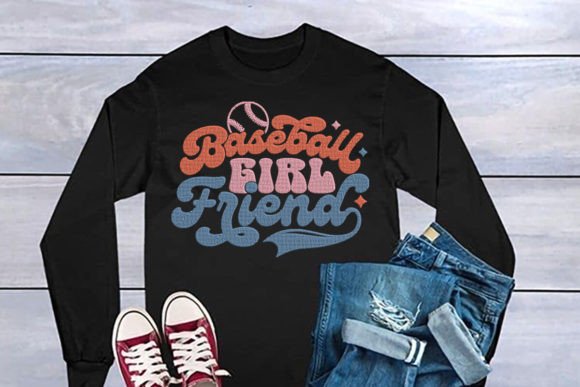
- Tote Bags and Canvas Goods: This is perhaps the strongest use case. A sturdy canvas tote with a centered baseball motif is a staple for craft fairs and Etsy shops. The design likely handles well on heavy fabrics, provided you use the right stabilizer. It gives the product a boutique feel rather than a mass-produced vibe.
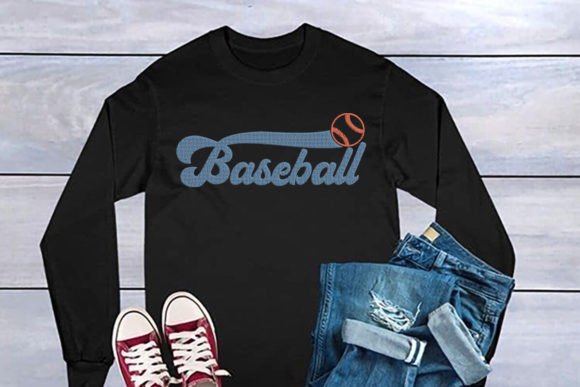
- Sweatshirts and Hoodies: For fall and winter collections, this design fits perfectly. Imagine a cream-colored sweatshirt with a navy blue and red baseball detail. It screams comfort and style. However, thick fleece requires a heavier stabilizer to prevent sinking, so always test before bulk production.
- Baby and Nursery Items: Soft blankets, burp cloths, and bibs are huge markets. The round shape of the ball is gentle and appealing for baby themes. If you are selling to new parents, the quality of the stitching here matters immensely. Parents want softness, not a stiff patch on a onesie.
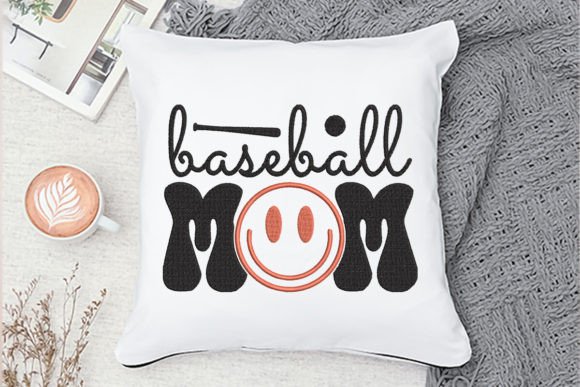
- Kitchen and Home Decor: Tea towels and pillow covers are excellent low-cost entry points for customers. A Baseball Embroidery design on a white flour sack towel with contrasting thread can look incredibly chic in a farmhouse-style kitchen. It bridges the gap between sports fandom and interior design.
In terms of commercial embroidery, this design has high potential because it appeals to a broad demographic. It is not niche. It is not controversial. It is a safe, reliable choice for small shop product lines that need consistent sellers.
Technical Performance and Stitch Clarity
From a technical standpoint, the success of any embroidery project relies on stitch density and layout. When reviewing Baseball Embroidery, we have to consider how different stitch types interact.
If the design utilizes a combination of satin stitch for the outline and fill stitch for the body, it should offer good coverage. Satin stitches give that polished, finished edge that makes a finished product look professional. However, if the fill areas are too dense, you risk fabric distortion, especially on lighter materials. Conversely, if they are too sparse, the backing shows through, which lowers the perceived value of your item.
I also recommend checking the running stitch elements if present. These are often used for the seams on the baseball or decorative accents. They need to be long enough to flow naturally but short enough to hold the shape. Poorly executed running stitches can make a design look unfinished or cheap.
Another critical factor is thread colors. The effectiveness of this design will shift dramatically based on your palette. On dark fabric, you will need bright, high-contrast threads to make the ball pop. On light fabric, pastel or muted tones can create a sophisticated, subtle look. Always inspect small details in black and white mockups to ensure contrast remains intact regardless of color choice.
Where Caution Is Required
No design is perfect for every surface. There are specific scenarios where Baseball Embroidery might struggle:
- Small Hoop Sizes: If the design is large relative to a 4x4 hoop, you may lose detail in the corners. Always check the hoop size requirements before committing to a small accessory like a keychain or a tiny patch.
- Stretchy Fabrics: Knits and jersey materials require extra stabilization. Without proper support, the tension of the stitch density can cause the fabric to pucker around the baseball shape.
- Curved Surfaces: Caps and hats present a challenge. While the round shape of the ball mimics the curve of a cap front, the flat nature of most embroidery machines means you are stitching on a plane, not a sphere. This can cause slight warping on tight curves.
- Textured Fabrics: Bouclé, heavy denim, or fuzzy fleece can hide fine details. The definition of the ball’s seams might get lost in the texture of the fabric.
Strategic Advice for Sellers and Makers
For those of us treating this as a craft business or a side hustle, presentation is key. A great digital embroidery file is only as good as the mockup you show your customers.
Before listing this on Etsy or your own site, create printable mockups that show the design on various backgrounds. Show it on a white t-shirt, a navy hoodie, and a beige tote. This helps buyers visualize the personalized gift they are purchasing. It builds trust and reduces returns caused by mismatched expectations.
Furthermore, always test the design on scrap fabric first. Check the back of the work. Is there excessive stabilizer visible? Are the threads tangling? A clean finish on the back is a hallmark of quality that discerning buyers notice. Also, confirm licensing terms. If you plan to sell the physical items, ensure you have the right to do so. Some design assets are for personal use only, while others allow commercial sales of finished goods. Clear communication protects your brand reputation.
Ultimately, Baseball Embroidery is a solid, dependable addition to any designer’s library. It is not avant-garde, but it doesn’t need to be. It serves a practical purpose in the market for sports-themed and Americana-inspired goods. By paying attention to fabric choice, stabilizer usage, and thread contrast, you can turn this simple design into a best-selling handmade product that customers are proud to wear and display.