Baseball Mom Embroidery Review
As an embroidery designer who has spent years translating digital concepts into tangible, stitched reality for small businesses and boutique brands, I look at every new design file with a critical eye. It is not enough for a design to simply look good on a screen; it must translate seamlessly onto fabric, hold up under wear, and elevate the brand it represents. Today, I am reviewing the Baseball Mom Embroidery design, a piece that promises versatility across various merchandise types. For small business owners, Etsy sellers, and apparel decorators, understanding the practical application of a design is just as important as its aesthetic appeal. This review focuses on how this machine embroidery design can function as a strategic asset for branded merchandise, patches, uniforms, and custom apparel.
First Impressions: Visual Personality and Brand Fit
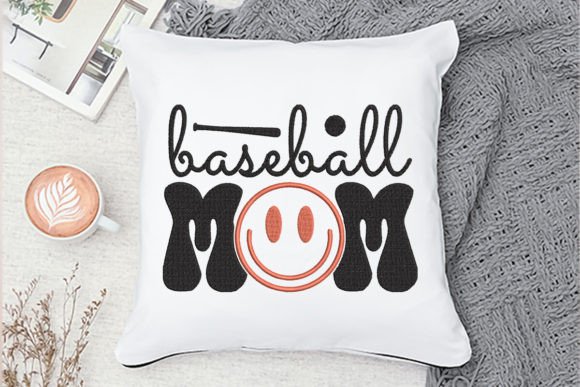
The title "Baseball Mom Embroidery" immediately suggests a specific niche audience. In my experience, designs that tap into community identities—like sports teams, local schools, or family-centric hobbies—often perform best because they evoke an emotional connection before the customer even touches the product. Based on the description, which highlights versatility for items like pillows, tote bags, jackets, and framed artwork, this design appears to strike a balance between playful and professional.
When I first visualize this design, I imagine it leans towards a classic or modern aesthetic rather than something overly rustic or decorative. The term "versatility" in the product description is key. It suggests that the design likely avoids excessive, fragile details that might get lost in stitching or require complex color changes that drive up production costs. For a small business owner, this means the design is likely easy to digitize cleanly and reproducible across different mediums. Whether used for a bakery’s apron embroidery or a florist’s tote bag design, the visual personality should feel welcoming yet polished. It signals to the customer that the brand understands their lifestyle, adding a layer of handmade product authenticity that mass-produced goods often lack.
Real-World Business Applications
The true test of any embroidery file is its performance in real business use. Here is how I see Baseball Mom Embroidery fitting into various commercial scenarios:
- Embroidered Patches: One of the most profitable applications for this design is creating embroidered patches. These can be sold as standalone items or attached to denim jackets, beanies, and backpacks. The design’s presumed clean lines make it ideal for patch work, allowing it to serve as a distinct logo accent without overwhelming the garment.
- Staff Uniforms and Aprons: For cafes, bakeries, or event staff, this design offers a unique way to personalize work shirts. Instead of generic name tags, an apron embroidery featuring this motif can foster team spirit and community engagement. It transforms a standard uniform into a branded asset that customers recognize and appreciate.
- Caps and Headwear: Cap embroidery is a staple of small business merch. If the design is compact, it works perfectly on the front panel of baseball caps. However, careful attention to placement is required to ensure it sits correctly on the curve of the hat.
- Tote Bags and Product Packaging: A tote bag design featuring this embroidery adds value to retail products. It serves as a walking advertisement for the brand. Furthermore, using this as a label or accent on product packaging—such as tying a small stitched tag to a gift box—elevates the unboxing experience, contributing to higher customer trust and recognition.
- Etsy Branding and Craft Assets: For digital embroidery file buyers and designers, this serves as a versatile design asset. It can be incorporated into larger collections, such as "Sports Day Bundles" or "Family Match Outfits," increasing the perceived value of your shop offerings.
Strategic Considerations and Limitations
While the potential is high, no design is without its challenges. As a professional, I advise caution in several specific areas when implementing Baseball Mom Embroidery:
- Small Patch Sizes: If you plan to scale this down significantly for tiny accents, you must inspect the spacing. Fine details may merge together if the stitch density is too high or the elements are too close. Always test the smallest intended size first.
- Curved Surfaces: Applying this to cap fronts or curved sleeves requires proper hooping techniques. If the design has straight, rigid lines, it may pucker on highly curved surfaces unless stabilized correctly.
- Thread Color Contrast: The success of the embroidery relies heavily on thread colors. On dark uniforms or black fabric, light threads may require a backing layer that adds stiffness. Conversely, dark threads on light fabric need sufficient coverage to avoid showing the base material through the stitches.
- Fabric Texture: Textured fabrics, such as heavy canvas or boucle, can distort the design. Smooth cottons or poly-blends generally yield the crispest results for detailed outlines.
- Wash Durability: Items that need frequent washing, like aprons or team jerseys, require robust construction. Ensure the design does not have loose ends or overly long stitch runs that could snag during laundering.
Impact on Brand Identity and Customer Trust
Using a cohesive design like Baseball Mom Embroidery across multiple touchpoints strengthens your brand identity. When a customer sees consistent visual language—from your social media printable mockups to the physical finished product—it creates a sense of professionalism and reliability. Handmade presentation matters; a well-executed embroidery job signals attention to detail. This directly influences buyer engagement, as customers are more likely to share photos of high-quality, personalized items on social media, providing free organic marketing for your small business.
Furthermore, aligning your merchandise with specific communities (like sports families) helps build a niche following. It shows that your brand is not just selling products but supporting a lifestyle. This emotional resonance drives repeat purchases and fosters loyalty.
Practical Designer Notes for Production
Before committing to a large production run, follow these essential steps to ensure quality control:
- Test in Black and White: Convert the design to monochrome to check contrast and legibility. If it looks muddy in black and white, it will struggle in color.
- Review Thread Color Contrast: Select thread colors that pop against your target fabric. Avoid low-contrast combinations that disappear into the material.
- Inspect Spacing and Density: Look closely at the digitization. Are there gaps where the fabric shows through? Is the stitch density appropriate for the fabric weight?
- Confirm Hoop Size: Ensure the design fits within the hoop size of your embroidery machine. If the design is larger than your standard hoop, you may need to rehoop or split the design, which can affect alignment.
- Test on Real Fabric: Never trust a screen preview alone. Stitch the design out on the actual fabric you intend to sell. Check for puckering, tension issues, and overall drape.
- Use Proper Stabilizer: The right stabilizer is crucial for preventing distortion. Cut-away stabilizers are often best for stretchy fabrics or long-term wear items like caps.
- Create a Mockup: Use a printable mockup to present the design to clients or for marketing materials. This helps visualize the final product without wasting time on physical samples.
- Compare Design Assets: Place this design beside other assets in your collection. Does it fit visually? Does it complement your existing logo or patterns?
- Confirm Commercial Licensing: Most importantly, verify that you have the correct commercial license to sell products made from this digital embroidery file. Unauthorized commercial use can lead to serious legal issues.
In conclusion, Baseball Mom Embroidery holds significant promise for small business owners looking to expand their merchandise line. Its versatility makes it suitable for a wide range of applications, from embroidered patches to custom apparel. By paying attention to technical details like stitch density, fabric choice, and stabilization, you can transform this digital file into a premium finished product that enhances your brand identity and delights your customers. Remember to always check specific file details such as stitch count and format compatibility before beginning production to ensure a smooth workflow.