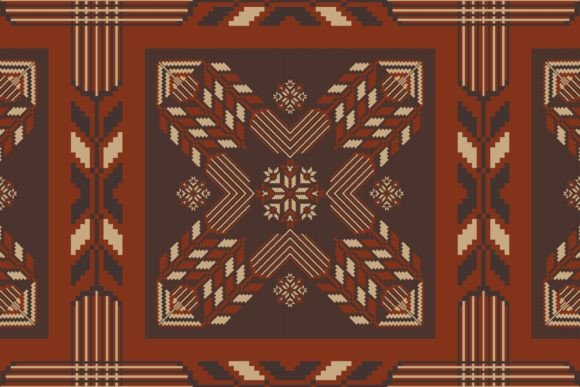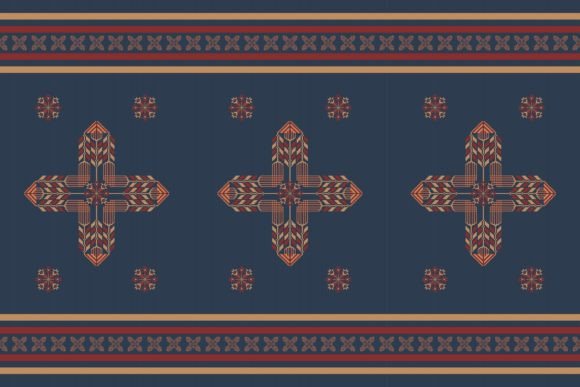
Embroidery Ethnic Geometric Floral Rugs
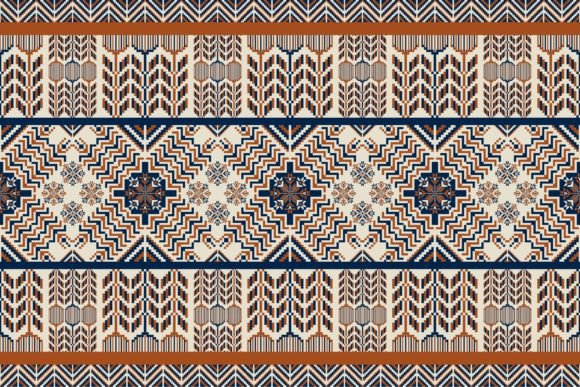
When I sit down to evaluate a new embroidery file for my studio, I am rarely looking for just "pretty." I am looking for viability. Can this design survive the tension of a hoop? Will it hold its shape after twenty wash cycles? Does it communicate value to a customer who is scrolling through an Etsy shop at 11 PM? Today, I am putting Embroidery Ethnic Geometric Floral Rugs under that same microscope. This piece is categorized under Patterns and Graphics, described as a geometric embroidery floral border pattern with ethnic folk influences. On paper, it sounds like a standard decorative element. In practice, however, the execution determines whether it becomes a bestseller or a discarded test run.
The First Impression: Mood and Visual Personality
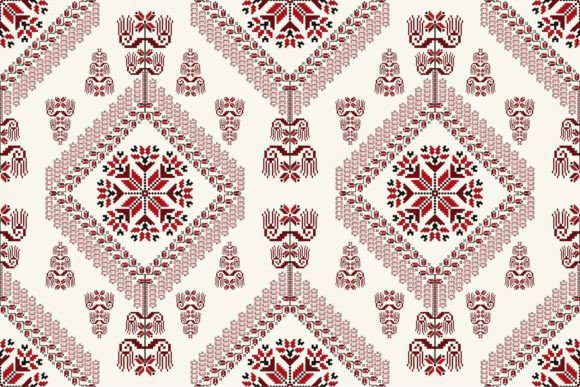
The moment you load the file into your digitizing software, the visual personality of Embroidery Ethnic Geometric Floral Rugs jumps out. It carries a distinct sense of grounded warmth. Unlike delicate, airy florals that can feel fragile when stitched, this design leans into structure. The interplay between the organic curves of the floral motifs and the rigid lines of the geometric borders creates a balanced tension that is highly appealing in modern textile design.
This is not a minimalist Scandinavian look, nor is it overly baroque. It sits comfortably in the realm of bohemian chic and heritage-inspired crafts. For a designer, this is a huge advantage. It appeals to a broad demographic: the young mother looking for nursery decor, the hipster boutique owner stocking kitchen towels, and the gift-giver seeking something unique for a housewarming present. The "ethnic" aspect gives it character without feeling costume-y, provided the thread colors are chosen with care. It feels established, timeless, and ready to be part of a curated collection.
Real-World Application: From Screen to Stitch
I recently tested this concept on a custom order for a client who wanted embroidered aprons for her small bakery. She needed something that felt handmade but durable enough for commercial use. We opted to use the border section of Embroidery Ethnic Geometric Floral Rugs along the hem and pocket edges of heavy cotton canvas aprons. The result was striking. The geometric precision held up beautifully against the textured fabric, while the floral elements softened the overall aesthetic, making the product feel approachable rather than industrial.
This versatility is where this design truly shines. It is not limited to just one application. Here is how I see it performing across various categories:
- Custom Apparel & Sweatshirts: As a chest logo or a back print border, the design adds weight and presence. It works exceptionally well on heavyweight hoodies, where the stitch density can anchor the design without puckering the fabric.
- Home Decor & Textiles: This is perhaps its strongest suit. Using the seamless nature of the pattern for table runners, placemats, or area rug borders allows for a continuous flow that looks professional and high-end. The geometric frame helps contain the eye, preventing the embroidery from looking messy on large surfaces.
- Baby Items & Nursery Decor: When scaled down and stitched in softer pastel threads, the bold geometry becomes playful rather than harsh. It makes for excellent wall hangings or crib bumper accents that stand out against plain white linens.
- Accessories & Patches: For tote bags and caps, the structured nature of the design ensures it doesn't get lost in the curve of the material. It provides a clear focal point that reads well even from a distance.
Strategic Considerations for Small Business Owners
If you are an Etsy seller or running a craft business, understanding the marketability of a design is just as important as its technical quality. Embroidery Ethnic Geometric Floral Rugs taps into several trending aesthetics simultaneously: the love for handmade goods, the appreciation for cultural patterns, and the demand for sustainable, durable home goods.
Because it is a border pattern, it encourages higher perceived value. Customers often associate intricate borders with premium quality. You can position these items as luxury handmade products rather than basic craft fair items. Furthermore, the design’s adaptability means you can create a cohesive brand identity. Imagine a matching set of a tea towel, a pillow cover, and a table runner all featuring variations of this pattern. That level of coordination builds trust and encourages repeat purchases.
Technical Pitfalls and Where to Be Careful
No design is perfect, and Embroidery Ethnic Geometric Floral Rugs has specific areas where a machine embroiderer needs to exercise caution. While the digital preview looks clean, real-world stitching introduces variables that can ruin a good design.
First, consider the stitch density. If the fill stitches are too dense, the design may become stiff and uncomfortable to touch, especially on garments like baby clothes or lightweight t-shirts. Conversely, if the density is too low, the underlying fabric may show through, ruining the visual integrity of the geometric shapes. Always check the stitch count and adjust if necessary to ensure the design lays flat.
Second, be mindful of the hoop size and fabric type. Attempting to stitch this on stretchy knits without proper stabilizer will lead to distortion. The geometric lines will warp, turning crisp angles into soft, unintended curves. Similarly, on dark fabrics, the contrast of the thread colors becomes paramount. If the thread tones are too similar to the fabric, the intricate details will disappear. I strongly recommend testing the design in black and white mockups first to ensure the contrast holds up.
Finally, avoid using this design on tiny lettering areas or extremely small hoops. The complexity of the floral and geometric interplay requires enough space to breathe. Compressing it too much results in a muddy mess that lacks definition. It is better to scale it appropriately or focus on specific sections of the pattern rather than forcing the entire composition into a small space.
Practical Designer Notes for Execution
To get the most out of this embroidery project, follow these practical steps before committing to your final product:
- Test on Scrap Fabric: Never stitch directly onto your finished item. Use scraps of the exact fabric you plan to sell to check for puckering, thread breakage, and color accuracy.
- Inspect Small Details: Zoom in on the digitized file. Are there any loose ends or overlapping stitches that might cause tangling? Ensure that the satin stitch edges around the geometric shapes are clean and secure.
- Choose the Right Stabilizer: Depending on your fabric, you may need cut-away or tear-away stabilizer. A heavy-duty cut-away is usually safest for borders on home decor items to ensure long-term stability.
- Verify Licensing: Before selling finished products or digital embroidery files, double-check the license terms. Some designs allow personal use only, while others permit commercial sales with attribution. Clarity here protects your small shop product from legal issues.
- Compare Backgrounds: Test the design on both light and dark backgrounds. The mood shifts significantly depending on the contrast, and you want to ensure it works for all your target markets.
Final Verdict
Embroidery Ethnic Geometric Floral Rugs is a robust, versatile design asset that bridges the gap between traditional folk art and modern home decor. It offers high commercial potential for designers and makers who understand how to present it correctly. By paying attention to stitch density, fabric choice, and thread contrast, you can transform this pattern into a standout handmade product that resonates with customers. It is not just a decoration; it is a statement piece that elevates any embroidery project it adorns. If you are looking to expand your catalog with items that feel substantial, culturally rich, and visually striking, this is a strong addition to your library of design assets.