German Shepherd Embroidery Design Review
If you are preparing for the upcoming craft fair season, you know that standing out in a sea of handmade goods requires more than just good taste—it requires strategic product selection. As an experienced embroidery designer who has spent years evaluating digital assets for commercial viability, I recently reviewed the German Shepherd Embroidery Design. This piece caught my eye not just because of the subject matter, but because of its potential to translate into high-margin, fast-selling items for booth displays and online shops alike.
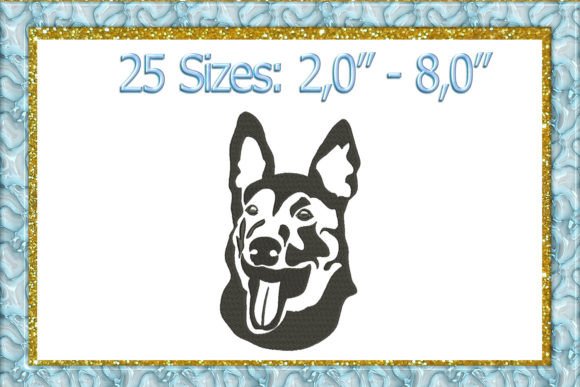
The title alone suggests a strong focal point: a German Shepherd head. In the world of machine embroidery, animal portraits are perennial bestsellers, particularly among dog lovers who view their pets as family members. But does this specific file hold up under the scrutiny of production? Let’s break down how this design performs on the table and in the hoop.
First Impressions and Visual Impact
When you first load a new embroidery file, your initial reaction is often about scale and clarity. A German Shepherd is a breed defined by sharp angles, alert ears, and expressive eyes. If the digitization captures these features well, the design will feel bold and premium rather than soft or overly cute. For a weekend market, you want something that stops a passerby in their tracks from ten feet away.
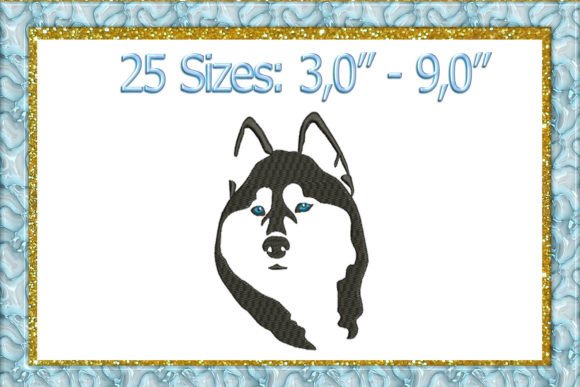
This design appears to offer a strong graphic quality. The "head" focus allows for a concentrated area of detail without requiring excessive background fill, which keeps the stitch density manageable and the production time reasonable. It feels modern yet rustic—a perfect fit for the farmhouse aesthetic that dominates current home decor trends. Whether it lands on a canvas tote or a denim cap, the contrast between the thread and the fabric will likely pop, drawing immediate attention to the craftsmanship.
Product Versatility: Where It Sells Best
One of the biggest mistakes small shop owners make is limiting their product range too early. The beauty of this machine embroidery design lies in its adaptability. Here is how it translates across various popular craft fair products:
- Tote Bags: A classic choice. Placing the German Shepherd head centered on a heavy-duty canvas tote creates a statement piece. It is practical for buyers who love hiking with their dogs, making it an emotional purchase.
- Aprons and Tea Towels: For kitchen-focused vendors, this design adds personality to functional items. An apron embroidered with a loyal companion appeals to home cooks who identify as "dog moms" or "dog dads."
- Caps and Hats: Curved surfaces can be tricky, but a single-head design like this usually works beautifully on the front panel of a baseball cap. It offers a subtle branding opportunity for boutique makers.
- Embroidered Patches: If the design includes a clean border or satin stitch edge, it can easily be turned into a sew-on patch. These are low-cost, high-volume sellers that attract impulse buys at market booths.
- Pillow Covers and Small Pouches: These items allow for larger display sizes. A throw pillow featuring the dog’s face becomes a cozy gift item, while a small zippered pouch could serve as a makeup bag or pencil case.
By diversifying your inventory with these variations, you appeal to different price points. A $20 patch might sell alongside a $45 tote bag, increasing your average transaction value.
Production Practicality and Quality Control
As a designer, I always advise testing before you commit to bulk production. While this design looks promising, there are technical nuances to consider when turning a digital asset into a tangible handmade product.
Stitch Density and Detail: Dog fur is notoriously difficult to embroider. If the digitizer used too much density, the fabric may pucker, especially on lightweight materials like tea towels. Conversely, if the details are too fine, they may disappear on textured fabrics. Always inspect the stitch direction; proper underlay is crucial for maintaining the shape of the ears and snout.
Fabric Texture and Contrast: The visual appeal of any embroidery design relies heavily on thread color against the base material. On a dark navy cap, lighter threads will stand out sharply. On a beige linen apron, you may need higher-contrast colors to ensure the definition remains clear. Avoid placing this design on heavily textured fabrics like boucle wool, as the stitches may not sit flat.
Hoop Size Constraints: Ensure the design fits comfortably within your standard hoop sizes (typically 4x4, 5x7, or 6x10 inches). If the design is large, it may require multiple hooping positions, which increases production time and the risk of misalignment. For efficient batch production, a smaller, well-centered design is often preferable.
Selling Strategy for Etsy and Markets
For the Etsy seller or the digital entrepreneur, presentation is everything. Even the best digital embroidery file won’t sell if the listing doesn’t communicate its value. Use printable mockups to show the design on real-world items. A flat image of the .PES file tells a customer nothing about scale or texture.
Create lifestyle images that evoke emotion. Show the tote bag being carried to a park, or the apron hanging in a cozy kitchen. Highlight the emotional connection people have with their pets. Phrases like "Perfect Gift for Dog Lovers" or "Handcrafted Quality" resonate deeply with buyers looking for commercial embroidery items that feel personal.
Additionally, ensure you clarify the licensing terms. Are you allowed to sell finished products made from this design? Most reputable designers provide commercial licenses, but it is vital to confirm this before you start producing inventory. Without proper rights, you risk legal issues down the line.
Final Verdict
The German Shepherd Embroidery Design is a strong contender for any maker’s repertoire. It balances artistic appeal with production efficiency, making it suitable for both one-off custom orders and batch-produced inventory. By paying attention to stitch density, choosing the right stabilizer, and showcasing the design through high-quality mockups, you can turn this simple file into a standout collection at your next craft fair.
Remember, success in the handmade market comes from consistency and quality. Test your samples thoroughly, gather feedback from fellow makers, and watch how customers respond. With the right execution, this design has the potential to become a staple in your shop, appealing to the vast community of German Shepherd enthusiasts everywhere.