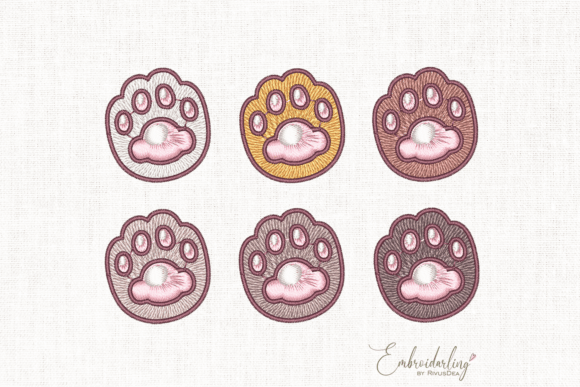
Paw Print Mono Line Embroidery Pattern Review
As a designer who spends more time than I care to admit staring at stitch density charts and fabric swatches, I have learned to trust my gut when it comes to digital embroidery files. The market is saturated with complex, multi-color designs that look stunning in a screenshot but can be a nightmare to execute on the machine. That is why I approach every new asset with a healthy dose of skepticism. When I first pulled up the Paw Print Mono Line Embroidery Pattern, I wasn’t looking for flashiness; I was looking for versatility, clarity, and that elusive "handmade" charm that sells well in today’s boutique market.
The First Impression: Minimalism with Purpose
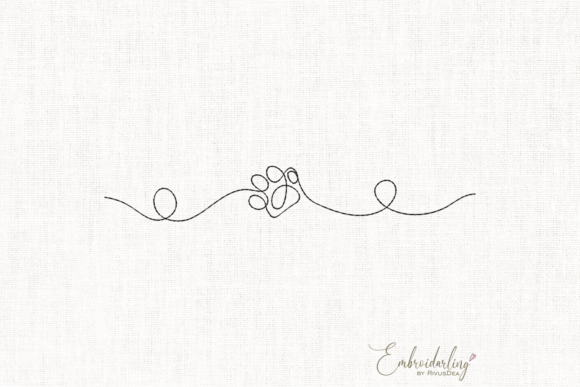
What strikes you immediately about this design is its restraint. In an industry where "more is more" often feels like the default setting, the mono line aesthetic offers a breath of fresh air. The visual personality here is clean, modern, and uncluttered. It doesn’t scream for attention; instead, it invites the viewer to look closer. For a designer, this is a huge plus because it translates beautifully across different mediums without losing its identity.
The shape itself is instantly recognizable, yet the execution is sophisticated enough to avoid feeling childish or generic. This isn’t just a simple clip-art paw pad; it has a deliberate structure that suggests careful planning. When you see this on a mockup, it reads as intentional branding rather than a quick template drop. This distinction matters immensely for Etsy sellers and small business owners who are trying to build a cohesive brand voice. A design like this signals professionalism. It tells the customer that the maker cares about aesthetics and detail, which directly impacts perceived product value.
Real-World Application: From Sketch to Stitch
To truly evaluate any embroidery file, you have to imagine it on actual products. Let’s talk about a specific scenario: preparing a custom order for a client who wants a personalized tote bag for their dog-walking business. They want something subtle, not loud. If I were using a dense, multi-colored fill design, the bag might look cluttered, especially if the canvas is textured. However, the Paw Print Mono Line Embroidery Pattern shines here.
The mono line style works exceptionally well on tote bags because it relies on negative space and clean lines. When stitched, it creates a crisp outline that stands out against the fabric without overwhelming the material. I also envision this design performing beautifully on sweatshirt embroidery projects, particularly for cozy, oversized knits. The contrast between the soft, fuzzy texture of the garment and the sharp, defined lines of the embroidery adds a tactile dimension that customers love. It elevates a basic hoodie into a statement piece.
Beyond apparel, consider the potential for home decor. This design fits naturally into the nursery or pet-friendly living room aesthetic. Imagine this stitched onto a pillow cover or framed artwork. The simplicity allows it to blend seamlessly with various interior styles, from Scandinavian minimalism to rustic farmhouse. It is not tied to a specific color palette, making it a flexible asset for digital product sellers who create printable mockups or design assets for other creators.
Technical Considerations and Fabric Choices
While the design is versatile, no single pattern is perfect for every situation. As an experienced reviewer, I need to highlight where caution is required. The mono line approach means the design likely relies heavily on satin stitches or precise running stitches to define the shape. This makes fabric choice critical.
Avoid using this design on highly textured fabrics, such as heavy waffle weaves or boucle, unless you are very confident in your stabilizer game. The uneven surface can cause the thin lines to distort or break, ruining the clean aesthetic. Similarly, thin fabrics require a strong cut-away stabilizer to prevent puckering. If the fabric stretches too much during stitching, the symmetry of the paw print may warp, leading to a sloppy finish that damages your reputation as a craft business owner.
I also advise testing this on dark fabrics carefully. While white thread on black fabric is a classic combo, ensure your underlay stitches are sufficient to make the top thread pop. On stretchy materials like jersey knit, extra care must be taken to hooping tension. Too tight, and the fabric distorts; too loose, and the registration shifts. Always test the design on scrap fabric first to check for these issues before committing to a final product.
Stitch Density and Detail Clarity
One of the biggest risks with mono line designs is that they can become too faint if the stitch density is too low, or too bulky if it is too high. You want just enough coverage to create a solid line without creating a stiff ridge that feels uncomfortable against the skin. This is particularly important for custom apparel worn by children or pets, where comfort is paramount. Inspect small details closely in your digitizing software. Are the corners sharp? Do the curves flow smoothly? If the design looks jagged on screen, it will look worse after stitching.
Commercial Viability and Branding
For those selling finished goods, the Paw Print Mono Line Embroidery Pattern is a smart investment. It appeals to a broad demographic. Dog lovers, parents, and gift-givers all resonate with this imagery. Because it is not overly ornate, it pairs easily with text. You could add a name, a date, or a short phrase nearby, and the composition would remain balanced. This makes it ideal for personalized gifts, wedding favors, or holiday embroidery projects.
From a branding perspective, consistency is key. Using a clean, minimalist design across your product line—whether it’s on aprons, caps, or kitchen towels—helps establish a recognizable visual identity. Customers associate that clean look with quality and reliability. When a buyer sees your finished product, they should feel confident in the craftsmanship. A well-executed mono line design says, "I know what I am doing," which builds trust and encourages repeat purchases.
Practical Designer Notes for Success
Before you upload this file to your machine or list it in your shop, keep these practical tips in mind:
- Thread Color Contrast: Experiment with different thread colors. While black and white are safe bets, try metallic threads for a touch of luxury on gift items, or pastel threads for baby embroidery projects.
- Stabilizer Selection: Use the appropriate stabilizer for your fabric weight. A tear-away might suffice for sturdy cotton canvas, but a wash-away or cut-away is better for delicate or stretchy materials.
- Black and White Mockups: Test your design in grayscale. This helps you assess the balance and weight of the design without being distracted by color.
- Licensing Check: Always confirm licensing terms before selling finished items. Ensure you have the right to use the design commercially, especially if you are producing large batches for craft fairs or online stores.
- Hoop Size Verification: Confirm that the design fits within your standard hoop sizes. If you plan to offer larger formats, ensure the design scales cleanly without losing definition.
Final Verdict
The Paw Print Mono Line Embroidery Pattern is a thoughtful, well-executed design that prioritizes clarity and adaptability. It avoids the pitfalls of over-complication while delivering a strong visual impact. For designers, Etsy sellers, and crafters looking to expand their inventory with high-quality, timeless pieces, this pattern is a valuable addition. It works equally well as a standalone statement or as part of a larger, curated collection. By paying attention to fabric selection, stitch quality, and proper stabilization, you can turn this simple paw print into a premium handmade product that customers will cherish. It is a reminder that sometimes, the simplest lines tell the strongest stories.